Need help? We're here!
(888) 312-8812 Login SignupHow to Troubleshoot Your Truck’s Alternator

David Seewack
April 19, 2021
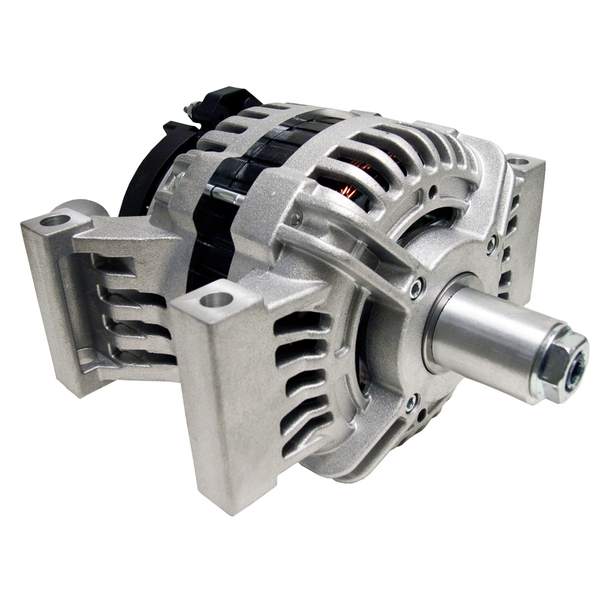
One of the worst things a truck operator can experience while on the road is a busted alternator. It can be something as simple as the dome lights flickering and resulting in you being stuck in the dark, waiting for rescue in the middle of nowhere.
Thankfully, truck alternators are built to be tougher with reinforced materials and added protection against dust and overheating. However, tougher doesn't mean forever, as alternators do age and will eventually fail due to excessive wear. Other factors, such as poor maintenance and harsh operating environments, can also accelerate wear or cause outright damage to the unit, rendering it inoperable.
Alternator failure comes in many forms, and the operators must be aware of these to take necessary action and prevent further damage to the unit. Thankfully, the symptoms of a faulty truck alternator are similar to those in passenger cars, making the process relatively straightforward. In this guide, we'll share some basic tips on how to identify and troubleshoot alternator problems.
Common Warning Signs
The indicator light is on. Often, the first sign that the alternator is in trouble is when the battery or charge indicator light on the instrument panel comes on. The light is typically triggered when the vehicle's charging system voltage output is below 12 volts, exceeds the limit, or has stopped charging.
However, it should be noted that in some models, an indicator light that flashes intermittently means a drive belt or serpentine belt has come loose. Worn-out or bad alternator brushes may also cause the light to trigger. In some cases, the alternator may be perfectly fine, and a malfunctioning sensor or a broken circuit switches on the light.
· Engine cranks slowly, doesn't crank, or stalls. If the alternator is unable to charge the battery properly, there may not be enough power to start the engine, resulting in slow cranks or stalling. The engine may also stall if the alternator is unable to produce enough power to run the ignition system. Performing a hard-starting check on your truck can help identify underlying issues before they escalate.
· Overheating battery. Overcharging the battery would cause it to heat up quickly. In such cases, you may find yourself adding water to the battery more often. If this problem is not addressed in a timely manner, sudden fluctuations in temperature can damage the battery.
· Noises under the hood. Do you hear squealing, buzzing, or grinding noises from the engine? This may be due to malfunctioning alternator parts, a loose or worn-out belt, a worn-out tensioner, an alternator pulley, or a loose mounting bolt. Worn bearings can also produce unusual noises. Regular checks on alternator and heavy-duty starter components ensure you catch worn parts early.
· Lights. If the headlights, instrument cluster, dome lights, or other type of light in your truck start to dim or flicker, it may indicate that the battery has a low charge or that there are faulty diodes inside the alternator. This is especially true if more than one light is malfunctioning at the same time. Sluggish power windows or a slurring sound from your radio or media player may also indicate alternator failure. Keeping your truck roadworthy and safe for long hauls helps prevent electrical problems from affecting other systems.
Troubleshooting Steps
If your truck is exhibiting one or more of the issues we have mentioned above, the alternator or its related components are likely the culprits. In such cases, we recommend performing the following procedures:
1. Conduct a visual inspection of the alternator for any signs of damage. Check the condition of the belt and ensure it remains at the proper tension. Next, see if the electrical cables and plugs are in good condition and connected correctly. Also, ensure that everything is mounted in its proper place and in alignment. Observing common electrical problems in heavy-duty trucks can help you identify issues quickly.
2. Check and test the batteries. Be on the lookout for any sign of physical damage, such as cracks in the casing, corroded or loose battery terminals, or pools of battery fluid. Batteries that are seriously damaged or corroded should be replaced as soon as possible.
Additionally, ensure that the batteries are of the same circuit, CCA rating type, and age. It's also strongly recommended that the same manufacturer make the batteries. Test the batteries using a standard battery tester. Note that to test correctly, the battery must be fully charged to meet the starter's current requirements.
1. With the engine running, use a voltmeter to measure the voltage rating of the battery. Generally, a battery is considered acceptable if the voltage is 13.8 volts or greater. However, if it's less than 13.8 volts, measure the voltage at the alternator case. Take note that you'll need to use a ground stud to get an accurate reading. At that point, if the voltage drops between 12.6 and 13.7 volts, the alternator will have to be replaced. On the other hand, if the voltage rating exceeds 13.8 volts, a voltage drop test must be performed.
2. Conduct an alternator output test. We recommend using an automated tester for this step to ensure an accurate assessment. If the alternator fails this test, it will need to be replaced. Timely action helps avoid costly truck repairs and minimizes downtime.
3. Check with the alternator's service manual. If you've completed all the steps we mentioned, the alternator is running as intended and is unlikely to be the cause of the problem. However, we still strongly recommend cross-referencing with the manual to ensure you haven't missed anything.
If you suspect a problem with your vehicle's alternator, have it inspected and serviced by a professional as soon as possible. A mechanic specializing in heavy-duty alternators will have the skill and equipment to accurately test the alternator's performance, determine the voltage it's producing, and recommend necessary repairs or replacement.
Diagnosing alternator problems and making the necessary fixes can lead to serious downtime for any truck, so it's crucial to invest in a high-quality alternator. A unit that complies with the industry's highest quality standards is less likely to malfunction, offering reliable performance for years to come. So, if you're in the market looking for a new alternator for your vehicle, make sure to choose a replacement that fits your budget in the long run.
Finding the right alternators and other charging system parts is easy at FinditParts. With the industry’s largest single source of commercial vehicle OEM and aftermarket parts, we can access inventory from distributors and manufacturers nationwide, improving availability and speeding deliveries. Our focus on service and support includes advanced cross-reference capabilities and technical specialists who assist in identifying and finding parts.
Related Reading:
Cores and Remanufactured Parts
https://www.finditparts.com/blog/cores-and-remanufactured-parts
How to Choose the Right LED Lighting for Your Heavy Duty Truck
https://www.finditparts.com/blog/how-to-choose-the-right-led-lighting-for-your-heavy-duty-truck
Finding The Right Part Is As Easy As PIES
https://www.finditparts.com/blog/finding-the-right-part-is-as-easy-as-pies
Connect With Us