Need help? We're here!
(888) 312-8812 Login SignupA Guide to the Most Common Types of Truck Trailers
FE
FinditParts Editorial Team
June 07, 2021
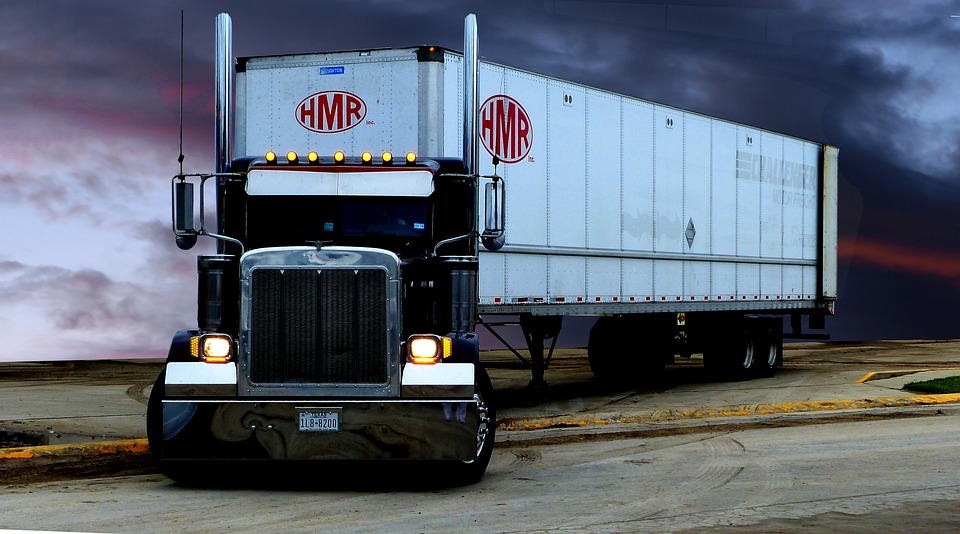
Image Source: Pixabay
Trailers are key investments. They are an affordable freight transportation option compared to air freight and a speedier alternative than sea freight. When considering a trailer for your business, spend your money wisely by selecting one that suits your needs and the type of business you have in mind. To help you make an informed decision, here are the common types of trailers along with their specific purpose and weight rating:
Flatbed Trailers
A valuable asset to any shipper or trucking company, the flatbed trailer is the most common type of trailer because it can be used to transport a wide range of cargo. Such trailers have open sides, and there is no box covering the transported loads, making cargo loading and unloading a straightforward process. They allow you to pick up the cargo via a crane from the top or by forklift from the sides. Cargo can also be loaded from the top, rear, or sides.
The standard trailer width is 8'6″, and the length is 48′, 53′, or 60′. And the normal gross trailer weight rating (GTWR) is up to 48,000 lbs, 65,000 lbs, and 96,000 lbs. To protect your load, you may use a steel truck tarp for steel freight; lumber tarp for trim molding, lumber wallboard, and other cargo of this type; smoke tarp for smaller loads that need to be protected from the truck's exhaust; and glass-clear tarp for cargo that needs protection from rain, dirt, slime, and dust. Proper securing of the load is paramount, and these tarps work in conjunction with careful load distribution and security practices to ensure stability.
Enclosed or Dry Van Trailers
Also known as a dry van, an enclosed trailer is a closed box trailer that lacks temperature control. It is designed to transport a wide range of loads without worrying about the weather, road debris, dust, or even security threats. This type of trailer is even more versatile, as you can utilize any available space by placing shelves and storage cabinets.
Dry vans are usually 48 to 53 feet long and have a weight limit of 42,000 to 45,000 pounds. They are 48 to 53 feet long. These fully enclosed trailers feature doors at the rear, allowing cargoes to be loaded and unloaded from the back. Some types, however, can be loaded from the front while others are loaded from the sides. Upgrading these trailers with functional vehicle features can significantly enhance their utility and security.
Reefer or Refrigerated Trailers
Refrigerated trailers, also known as reefers, are a type of trailer that is temperature-controlled. They are used when the cargo to be transported needs to be kept at cool temperatures, such as ice cream, frozen foods, medicines, beverages, flowers, and many other perishables. They are like dry vans but with a cooling system and proper ventilation inside. A reefer contains a condenser, evaporator, and compressor inside an enclosed container. This type of trailer has a maximum freight weight of 42,000 to 45,000 lbs., a maximum legal height of 8.2 feet, and a maximum legal width of 8 feet. Regular general trailer maintenance is essential to ensure the cooling unit operates reliably for temperature-sensitive cargo.
Lowboy Trailers
Also known as a low-loader, double-drop, float, or low-bed trailer, the lowboy is a non-powered trailer used to haul freight. It is a semi-trailer with drop decks—behind the gooseneck and before the wheels. Lowboy trailers sit close to the ground, and their drops enable the loading of huge cargo that is heavier than the maximum weight limit of other trailers. They are used to haul heavy equipment and machinery, such as excavators, bulldozers, and other construction equipment.
A lowboy trailer with two axles weighs 40,000 pounds, and its weight limit can be increased to as much as 80,000 pounds. The maximum cargo height that it can accommodate is 14 feet. If you need to transport oversized loads, you must obtain the necessary permits from the relevant authorities.
Step Deck Trailers
Step-deck trailers are like flatbed trailers. The difference is that step-deck trailers are positioned closer to the ground, offering a slight margin for transporting loads that cannot be hauled in a flatbed trailer due to their height. These open trailers feature two deck levels and ramps for easy cargo loading and unloading. Since the bed is closer to the ground, loads can also be safely unloaded using a forklift.
Removable Gooseneck Trailer (RGN)
The RGN trailers hold the loads closer to the ground, allowing you to haul taller objects without worrying about height permits. It is the go-to type of trailer for transporting large equipment. The drop in the middle of an RGN trailer provides a margin for taller loads. The dropped section, known as the well, is 29 feet long and can accommodate objects that are as tall as 12 feet without violating the height limit.
The best thing is that the front end of a gooseneck trailer is detachable, allowing the trailer to be driven by heavy equipment, such as a bulldozer. With this, the loading and unloading of cargo becomes fast and convenient.
Specialty Trailers
Engineered for specific purposes, specialty trailers are not built the same. They are tailored to their purpose, and they require a special permit to transport cargo. The truck driver also needs to secure a special license that enables him to transport the load. Specialty trailers can carry as much as 200,000 pounds. Among the most common types of specialty trailers are:
- Food services trailers
- Medical trailers
- Vending trailers
- Display trailers
- Trailers for hazardous materials and chemicals
Side-kit Trailers
The side-kit trailers are designed to transport items that do not require packing in containers or materials that cannot be loaded, such as coal, gravel, or sand. This type of trailer is particularly useful for items such as crops that require protection from moisture and dirt during transportation. The removable sides of these trailers make cargo unloading easier with the help of forklifts. Since the sides are detachable, arranging and moving the large, heavyweight cargo becomes more convenient. The maximum carrying capacity of side-kit trailers ranges from 42,000 to 45,000 pounds, and they are typically 48 to 53 feet in length. Having the right tools for truckers on hand ensures that any roadside maintenance or loading issues can be handled quickly.
Power-Only Trailers
When it's an entire trailer that you need to move from one place to another but you don't have a tractor or a truck to do the towing, the type of trailer you should use is a power-only trailer. You just need to connect the power-only trailer to the trailer you need to tow, and you can easily transport it to your desired location. Ensuring all vehicles, including power units and trailers, are compliant is part of commercial vehicle roadworthiness management.
Regardless of the type of trailer you own, FinditParts has the replacement parts and accessories you need to restore the trailer's performance or keep it in top shape. We offer trailer couplers, bearing kits, bolts and nuts, drum brakes, and a wide range of other components you need for your trailer at affordable prices. Browse our catalog today, and enjoy amazing deals on top-quality trailer parts and accessories.
Connect With Us