Need help? We're here!
(888) 312-8812 Login SignupWhy OEM Trucks Need Specific Electrical Connectors
FE
FinditParts Editorial Team
January 16, 2026
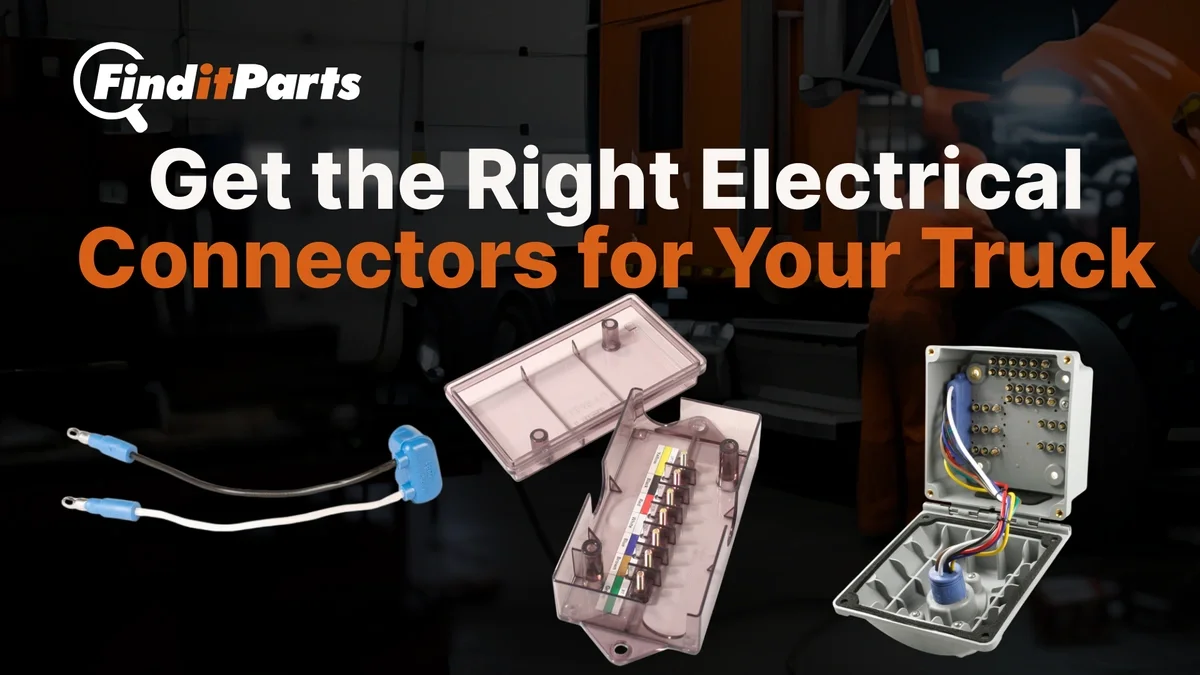
Electrical connectors might not look like much, but one wrong match can take an entire system offline. On OEM trucks, we’ve seen bad connectors lead to warning lights that won’t go off, trailer ABS failures, or sensors that just stop registering. It doesn’t take long for that kind of problem to turn a quick service stop into a whole afternoon in the bay.
Using truck-specific connectors isn’t just a bonus. It’s how you keep everything from your back-up lights to your collision sensors working correctly. When those systems fail, it’s usually more than a dirty switch. It could be a mismatch in voltage, pin-wholesale, or fitment. Getting this right upfront means fewer headaches later, especially on power-hungry trucks packed with technology.
Why OEM Electrical Systems Rely on Precision
OEM trucks are built with precision in every circuit. From voltage thresholds to plug locking force, every part of the wiring harness is engineered to match the truck's exact needs. The right connector completes the circuit with the pressure, shape, and seal that the system expects.
A lot can go wrong when the fit is off:
• A minor mismatch in pin layout can break the signal across the circuit
• Low-quality connectors might not hold pressure, causing intermittent shorts
• Different materials conduct heat and current differently, which can change the behavior of sensors and relays
• A damaged seal might let in moisture, causing fault codes or total power loss in a subsystem
The more integrated the technology, the less room there is for error. These trucks do not forgive a wrong part forced into the harness.
What Makes an Electrical Connector “Truck-Specific”
Not all connectors are built equal. The connectors made for OEM trucks are assembled to match strict physical and electrical specs. The difference between them and general-use connectors is not subtle when you have had to troubleshoot a misfire that came down to a poor terminal fit.
1. OEM-grade connectors are often weather-sealed with rubber gaskets to keep moisture and corrosion out
2. Pin configurations can vary by voltage handling, signal type (analog or digital), or expected current load
3. Mounting tabs or locks may differ from model to model, affecting how secure the connection is
4. Materials are often tested for vibration, heat cycles, and chemical exposure typical in commercial truck use
Matching the make, model, and year goes beyond basic plug compatibility. Some newer trucks use updated internal grounds or communication buses, and even a near-match connector could interrupt the signal chain.
Common Problems Caused by Incorrect Connectors
We often hear about problems that trace back to the wrong connector getting installed during a quick fix. It is a simple mistake, but the results quickly turn into long shop hours.
• Faulty ABS signals when the sensor harness connector doesn’t seal fully under road spray
• Power loss in critical lighting rows after a pin pushes out of a mismatched terminal
• CAN bus disruptions causing speed sensors, warning lights, and camera systems to go dead
• Backfeeding voltage from low-grade terminals damaging control module circuits
These are not minor mistakes. Fleets can lose hours to diagnostics when the issue was just the wrong connector replaced during a roadside emergency. The quick fix might feel like a time-saver, but the consequences rarely are.
Best Practices for Matching and Replacing Connectors
Getting the right connector means looking beyond just shape and color. Matching exact specs is the only safe path for diagnostics and reliability.
1. Pull the original part number or use VIN-based lookup tools whenever possible
2. Count the pins and note their pattern. It matters if one is a dummy or if ground is moved to a different corner
3. Check if the system is sealed or exposed; a sealed connector in one truck might not fit or hold in another layout
4. Confirm voltage ratings and signal types, especially on sensor lines linked to brake, ABS, or steering inputs
Some of the most sensitive areas to connector changes include:
• ABS control systems, where sensor signals can fluctuate badly on mismatched terminals
• Trailer power leads mixing signal, brake, and marker lights across different voltages
• Back-up sensors and blind-spot monitors, which read signals on narrow frequency ranges
• Steer axle and air ride sensors that fluctuate from tiny voltage shifts
Ignoring detail in these installs often leads to repeat problems later on.
Sometimes, connectors look almost identical, but small differences can mean big trouble. That’s why always double-checking pin orientation and signal requirements matters for every swap. Even one misplaced terminal can prevent a system from powering up or, worse, damage a control module that takes weeks to replace.
It’s a good move to monitor the wear and tear on connectors during routine inspections. Connections exposed to road spray or harsh chemicals might develop corrosion or loosen over time, which leads to recurring electrical faults that are tough to trace. Replacing them before they become a major problem can save hours of downtime in the long run.
Choosing the Right Connectors Every Time
The best truck shops and fleets we have seen have something in common: technicians track which connectors are used on each rig. That kind of prep saves a lot of time when quick repairs are needed.
• Use connector ID charts or diagrams from OEM manuals to confirm what belongs in each system
• Build a small catalog of connector types that are reliable in specific chassis lines
• Write down pin counts, terminal shapes, and wire color codings for faster mid-field checks
• Build a consistent spec sheet when ordering replacement connectors for fleet trucks
When everyone works from the same list, it means fewer wrong shipments, faster swaps, and no surprise need for a repin.
Training on connector differences can also help. Sometimes technicians who know the vehicle inside and out are still surprised by a new year’s wiring change. Setting aside time to review updates from the OEM or running through changes in connector specs keeps even experienced techs from making easy mistakes. The payoff is more uptime and fewer headaches for everyone on the floor.
Adjusting inventory is another simple way to keep operations smooth. Stocking a modest range of the most common connectors for your trucks helps prevent last-minute delays. Even a handful of often-used connectors for each vehicle platform will make a significant difference when deadlines are tight or shops are short-staffed.
Keep the Power Flowing Right the First Time
On OEM trucks, wiring and connectors are not background details. They keep sensors transmitting, modules communicating, and lights firing at the right time. Making sure your connectors match the truck’s exact spec saves a lot of downtime.
Generic parts may fit the plug, but that does not mean they are ready for the heat, shock, or signal type the system relies on. The correct connector keeps your truck safe, meets regulations, and works the way you expect. A small part can cause big problems if it is wrong. Getting it right the first time is better than wasting hours chasing unexplained fault codes later.
Choosing the right connectors for your OEM trucks prevents unexpected downtime from fitment problems, signal issues, or connection failures. At FinditParts, you will find components that meet strict factory specifications and are built for commercial demands. See our reliable selection of parts designed to support systems across a wide range of OEM trucks. If you need help finding the perfect match, call us and our team will make sure you get the right connector for your needs.
Connect With Us

Related Articles

How You Can Be Prepared For Brake Safety Week: A Simple Guide
April 01, 2026

Freightliner Cascadia Brake Pad Specifications & Fitment Guide: Complete Technical Reference
March 30, 2026
Freightliner Cascadia 2012-2019 Brake Maintenance Schedule & Inspection Guide: Keep Your Brakes Safe and Reliable
March 19, 2026