Need help? We're here!
(888) 312-8812 Login SignupWhat Happens When Air Compressor Gaskets Start Leaking
FE
FinditParts Editorial Team
January 12, 2026
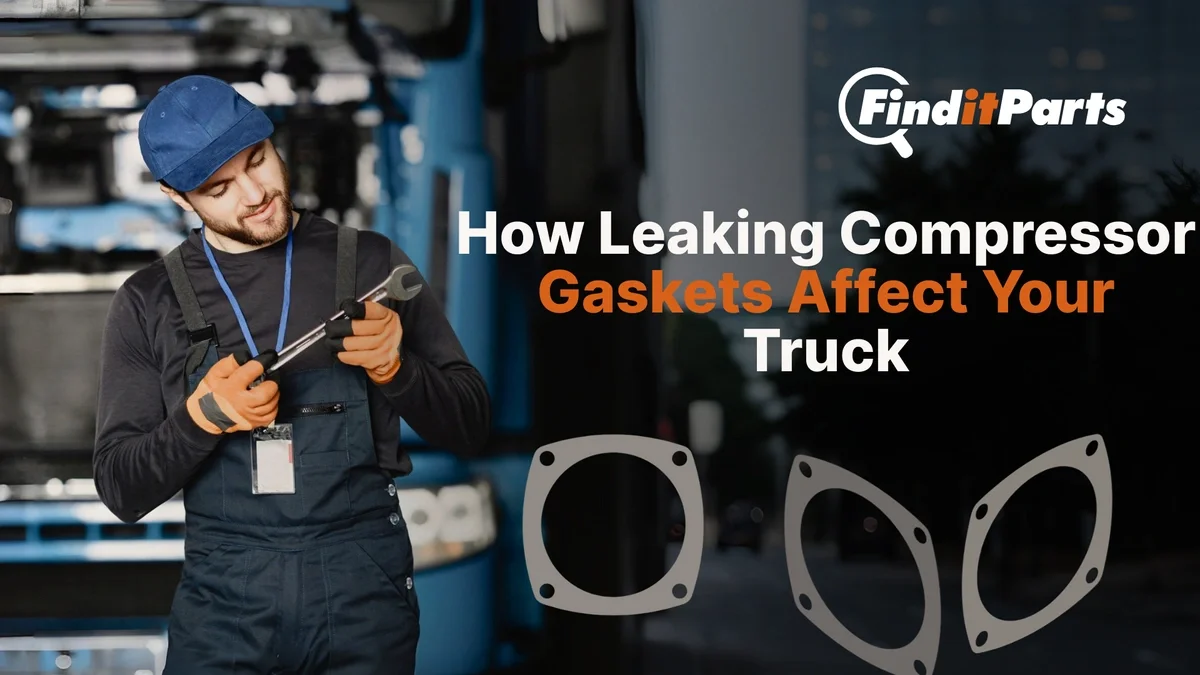
If you're hearing a faint hiss somewhere under the hood or your pressure is building slower than usual, it might be time to look at your air compressor gaskets. Small leaks can slide in quietly, but they rarely stay small for long. Winter tends to draw out problems like this. With colder temps and extra moisture, seals get stiff, cracks start showing, and before you know it, your system isn’t holding the line. Gaskets are easy to overlook until something downstream gets pulled into the mess. That’s when things start costing time and money. Let’s walk through what those leaks actually do, how to catch them early, and how to choose a better fix when replacement becomes the only option.
What an Air Compressor Gasket Actually Does
Air compressors do one job: move pressurized air through the system. Gaskets seal all that pressure in, keeping the compressor parts tight and preventing air from leaking out at critical joints. These gaskets are usually found between compressor heads, covers, manifolds, and other mating surfaces. Without a good seal, pressure slips, moisture sneaks in, and trouble spreads.
There are a few types of compressor gaskets used in heavy-duty setups.
• Fiber gaskets resist oil and heat well.
• Cork-rubber blends do better with vibration and pressure changes.
• Multi-layer steel or graphite gaskets can handle extreme conditions, but they require a clean, flat install surface.
What wears them out? The three big players are time, temperature, and torque. If a compressor runs hot or is overtightened, gasket edges crank down too hard and split. If the part was installed without checking surface flatness, the gap stresses the seal. Cold weather makes gaskets brittle. Add road grime or oil seepage, and they break down even faster.
What Changes When a Gasket Starts to Leak
You won’t always spot a leaking gasket right away. But the truck will start dropping hints. These are the signs we look for:
• Longer air build-up times when starting the truck
• Hissing sounds coming from the compressor area
• Governor cycles that happen more often than they should
• Air dryer working harder to clear excess moisture
A leaky gasket reduces overall system pressure, which means everything downstream gets affected. Spring brakes might not release smoothly. Suspension might feel softer. Auxiliary systems may lag just from that small drop in line pressure.
On top of that, the strain shifts around. The air dryer ends up processing more wet air than usual, leading to more frequent purges. Brake chambers may respond unevenly if the system pressure doesn’t reach operating levels fast enough. One faulty seal can slow everything down and damage parts that were working just fine beforehand.
Cold Weather Makes Leaks Worse
Winter doesn’t just make things cold. It makes weak parts give out sooner. Compressor gaskets, especially older ones, get rigid in freezing temps. Add some daily freeze-thaw cycles and moisture creeping into the system, and leaks go from hairline cracks to full-blown failures.
Another thing winter does: it highlights startup stress. Every morning your truck’s compressor kicks in and builds from zero. Each time this happens, pressure rebounds against the weakened gasket points. Shutoffs at night cause contraction, startups in the morning force expansion. Do that all season and any compromised gasket will open wider.
Winter is also when inspections get tougher. DOT checks this time of year are less forgiving. A faint leak you ignored in fall might now be clear enough for an out-of-service tag. Not worth the gamble, especially when the fix is low-cost compared to the systems it affects.
When to Replace a Gasket Versus Inspect Further
Some symptoms call for a thorough inspection first. But once you spot damage around the compressor, or you’ve replaced the same part twice and lag times still show up, it’s time to replace the gasket itself.
We replace the gasket if we notice:
1. Visible seepage or compressed air leaks around the installation seam
2. Decreased PSI that can’t be explained by other leaks or usage
3. Signs of pitting or warping on the mounting surfaces
Not every problem is gasket-only. We always check the compressor head, the discharge line fittings, and neighboring hardware. Sometimes the gasket looks fine, but the surface it seals gets chewed up. If the mating faces aren’t flat, new gaskets won’t seal right, and the leak comes back in short order.
In high-demand applications or rough climates, we go for replacements rated for severe duty. It saves us from doing the same fix twice.
What to Look For in Replacement Gaskets
Not all air compressor gaskets are built the same, and some don’t hold up when the weather turns or pressure loads spike. Here’s how we pick a solid one:
• Choose the right gasket material for the job (graphite for heat, cork-rubber for vibration, or MLS for heavy usage)
• Confirm it meets the compressor’s torque and temp specs
• Make sure it's compatible with OE part numbers or cross-reference tools
You can find air compressor gaskets at FinditParts that are built to meet and often exceed OE specifications. Each product listing includes exact fit details and compatibility information, helping you select confidently for your model. Kits and individual gaskets are available from top brands, designed to handle the demands of commercial vehicles.
Some gaskets are already pre-coated or come in kits that fit your exact engine model. That eases install time and reduces the chances of torque missteps or uneven surfaces. If you’re working with VIN-specific tools, it’s even easier to lock in parts that fit the first time.
We keep a short list of replacements handy and double-check seal structure and trim patterns. Getting the right gasket means fewer re-torques, fewer system drags, and better overall uptime.
Keep Air In, Failures Out
Even minor leaks can snowball fast in winter. If a gasket lets go, your whole system works harder than it needs to, risking shutdowns or costly mechanical trouble out on the road. It is much easier to catch gasket wear early.
As the nation’s largest source for heavy-duty truck and trailer parts, we offer online ordering on over 4 million truck parts, making it simple to find a direct-fit gasket or kit. VIN lookups and detailed product filters help you avoid wrong-fit stress.
When you notice pressure dropping or prepare for colder weather, replacing old gaskets before they give out can make all the difference. A dependable seal is important when truck air systems are put to the test every day. We offer a wide selection of air compressor gaskets built to match OE specs and stand up to tough conditions. At FinditParts Inc., we help you keep air in the system and costly issues away. Reach out to our team today.
Connect With Us

Related Articles

How You Can Be Prepared For Brake Safety Week: A Simple Guide
April 01, 2026

Freightliner Cascadia Brake Pad Specifications & Fitment Guide: Complete Technical Reference
March 30, 2026
Freightliner Cascadia 2012-2019 Brake Maintenance Schedule & Inspection Guide: Keep Your Brakes Safe and Reliable
March 19, 2026