Need help? We're here!
(888) 312-8812 Login SignupSemi-Trailer Parts Reference Guide for Quick Fixes
FE
FinditParts Editorial Team
October 29, 2025
Introduction
When you're hauling freight across state lines or trying to keep a delivery on schedule, the last thing you want is for your trailer to give out mid-run. But breakdowns happen, and they're even more frustrating when the fix is something simple if only you had the right part handy. Keeping a well-organized list of go-to trailer parts for on-the-spot repairs can help you avoid long delays and expensive roadside fixes.
Whether you're managing a single rig or a large fleet, knowing what parts to keep close can mean the difference between staying on route or sitting idle. This reference guide is built for quick, real-world solutions. We'll walk through the basics, the most common problem areas, and how you can shop smarter by knowing where and how to find what you need fast.
The Basics Of Semi-Trailer Parts
A semi-trailer is made up of dozens of moving parts, each playing a role in carrying the load and keeping things safe on the road. Drivers and techs deal with many of these parts daily, but having a clear breakdown of what each one does makes it easier to spot problems early. That’s especially helpful when diagnosing trouble on the roadside or in the middle of a delivery rush.
Some of the most common components you'll want to be familiar with include:
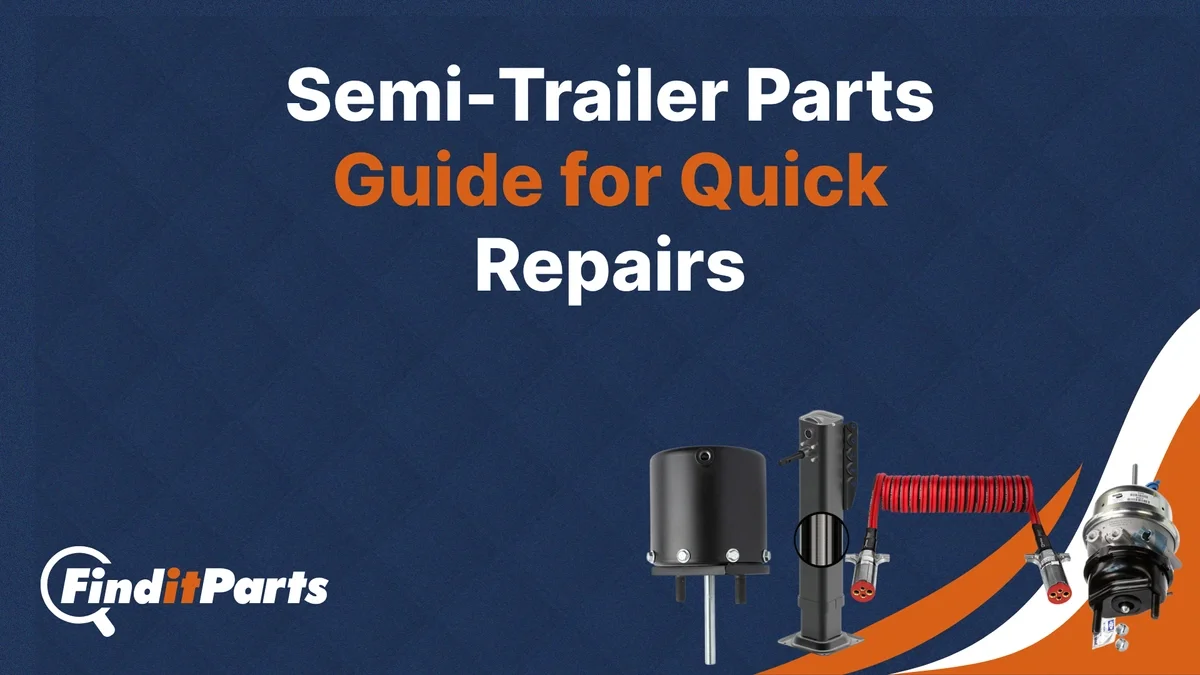
- Brake chambers and spring brakes: Help stop the trailer safely and reliably
- Wheel hubs and bearings: Let the wheels spin tightly and smoothly
- Air lines and connectors: Deliver pressurized air to the braking system
- Landing gear: Supports the trailer when it’s not hooked to the tractor
- Electrical systems like lights and harnesses: Keep you visible and legal
If you're newer to dealing with trailers, it's worth taking time to walk through your own unit or fleet and identify where these components live. Just knowing, for example, that trailer light connectors are a frequent point of failure can help when you’re stuck on the side of the road with a tail light out. Understanding the role of each part makes maintenance faster and less of a guessing game.
Quick Fixes For Common Issues
Even a small mechanical failure can halt your entire run. That’s why quick fixes are a must. The good news is that many semi-trailer problems come up again and again, and most of them have straightforward solutions. Being ready ahead of time just takes the right knowledge and parts within reach.
Here are a few typical issues that can shut you down, and the quick fixes that can get you rolling again:
1. Blown fuse or dead trailer lights
- Check the fuse box and harness connection. Replace the blown fuse or plug in a backup harness
- Spot the leak by listening for a hiss. A hose repair kit or quick-connect coupler can patch it up until full service
- If it's inside a dual configuration and isn't shredded, you may limp to a service stop. Otherwise, swap it out using a mounted spare
- Block off the chamber with a caging bolt as a temporary move. Replace it as soon as you're able with the proper part
5. Loose or dragging trailer door
- Often this comes down to a broken hinge or missing pin. A basic replacement kit can fix it on the spot
Using a resource like a semi-trailer parts catalog can save you time and stress sourcing the right part. With clear diagrams, part numbers, and specs, it’s much easier to find the right fit without second-guessing. Instead of hunting through bins or hoping a dealership has your part in stock, you can go straight to what’s needed without losing time.
Advantages Of Using A Semi-Trailer Parts Catalog
Flipping through binders or waiting on callbacks shouldn't be part of your day when you're trying to source a simple part. A well-built catalog cuts through all that. Whether you're comparing spring brakes or trying to find electrical connectors by plug style, a good catalog lays things out so you're not stuck guessing or worse, buying the wrong part.
By filtering by make, model, part type, or VIN, you reduce misorders and save time. A smart catalog also helps you match new parts with old ones through cross-referencing numbers. That’s a real time saver when you're dealing with older trailers or when original manufacturers have changed their offerings. For example, if you’re replacing a service chamber from Haldex, it's faster and easier to match it with the current Haldex part listing by using a catalog that’s built to handle all those changes.
Catalogs also help when deciding between OEM and aftermarket options. Not every repair needs a high-end component, and a solid aftermarket part can keep your truck on the road at a lower cost. When time is short and budget matters, having all your options in one place gives you control and peace of mind.
Instead of bouncing between vendors or searching old spreadsheets, using a centralized and accurate catalog gives you the speed and confidence to make fast decisions. That kind of reliability makes a big difference when you’re facing pressure to get that trailer moving again.
Keeping Your Rig Road-Ready
Taking care of a semi-trailer means staying on top of wear and tear before things break down. Many failures surprise drivers who didn’t see them coming, even though the warnings were there. The best strategy is mixing daily checks with a solid plan for parts access so surprises don’t turn into downtime.
Between hauls, trailers usually sit idle. That’s the perfect time to get ahead of problems. Keep a checklist ready for each trailer and include the most-used wear parts in your routine. Some of the common ones worth stocking include air hoses, grease seals, valve stems, fuses, and light sockets. These are the small pieces that fail the most, and having them ready can save hours of downtime.
Here’s a simple list of items that are smart to keep on hand:
- Extra brake light assemblies and grommets
- Assorted air line fittings and quick-connects
- S-cam bushings and replacement rollers
- Jack handle pins and landing gear rebuild kits
Basic steps like keeping lights legal or checking wheel hubs for grease leaks can flag issues before they become big ones. For instance, one fleet manager found they were losing hours to trailer light problems. After tracking the breakdowns, they realized keeping a few 7-way plug-ends in stock would've solved half the calls. Small prep now means fewer slowdowns later.
Stay Ahead With Semi-Trailer Part Readiness
Every lost mile costs money. From drivers to maintenance crews, everyone knows that trailer downtime hits hard. Being prepared means more than just reacting fast, it means having the tools and parts already lined up when something goes wrong.
Knowing your trailer’s weak spots and building a reasonable inventory of high-use parts is more effective than trying to stock everything. Brake parts, light assemblies, hoses, and key fittings are some of the usual suspects. If you’ve had issues in the past, pay attention to those patterns. Breakdowns often show up in the same places.
Trailer uptime isn’t just about how fast you fix something, it starts with how ready you are before anything breaks. Create a game plan and keep your stash stocked. Look at your catalog often, not just when there’s a problem. Stay prepped, stay moving, and don’t let small parts throw off your whole day.
Make sure your trailer stays in top condition by using a dependable semi-trailer parts catalog. At FinditParts Inc., we streamline the search for the right components so you can keep your rig moving without unnecessary downtime. Count on us to help you stay ahead of maintenance and prevent avoidable delays on the road.
Connect With Us

Related Articles

How You Can Be Prepared For Brake Safety Week: A Simple Guide
April 01, 2026
Freightliner Cascadia Brake Pad Specifications & Fitment Guide: Complete Technical Reference
March 30, 2026
Freightliner Cascadia 2012-2019 Brake Maintenance Schedule & Inspection Guide: Keep Your Brakes Safe and Reliable
March 19, 2026