Need help? We're here!
(888) 312-8812 Login SignupHow to Replace a Leaking Air Tank on a Semi Truck: A DIY GUIDE
FE
FinditParts Editorial Team
October 11, 2024
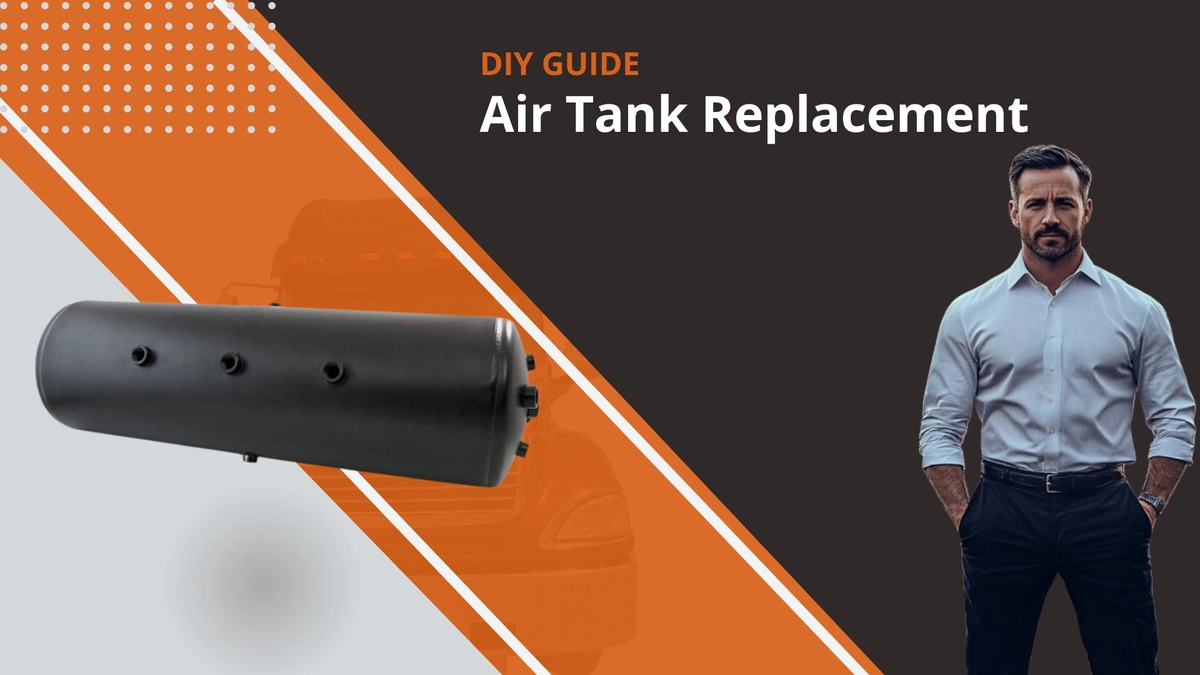
If your semi truck’s air brakes aren’t functioning smoothly, a leaking air tank could be the cause. Replacing a bad air tank can save you from expensive repairs, downtime, and even potential DOT fines. This guide will walk you through the process of replacing an air tank, recognizing the signs of a failing air tank, and installing new fittings to get your rig road-ready. Be sure to watch the full video by DIY SEMI for a detailed walkthrough and exclusive discounts!
Tools and Materials You'll Need
-
DOT-rated fittings (always choose DOT-rated for safety and compliance)
-
Drain valve (important for maintaining tank longevity by draining condensation)
-
Desiccant filter or air dryer (to help protect your investment in colder months)
-
Wrenches, ratchets, and torque wrench
-
Safety gear (gloves and safety glasses)
Step-by-Step Instructions for Replacing an Air Tank on a Semi Truck
Step 1: Identify Symptoms of a Failing Air Tank
Common indicators of a leaking or failing air tank include:
-
Audible air leaks or hissing sounds
-
Difficulty maintaining air pressure in the system
-
Visible rust or corrosion on the tank surface
Pro Tip: Recognizing these signs early can save you from costly repairs, minimize downtime, and avoid DOT fines. Staying on top of your braking system’s performance also helps maintain the same level of safety you’d expect from a rig that’s been cared for using advanced semi-truck brake maintenance practices.
Step 2: Prepare for Air Tank Removal
Release all air pressure from the system before you start. Look for fittings, commonly featuring three or more ports and an elbow fitting at one end. Always use DOT-rated compression or push-lock fittings marked for compliance to avoid dangerous brake malfunctions.
Step 3: Drain the Air Tank
Locate the drain valve (often referred to as a drain plug) and use it to release any condensation or water in the tank. Regular use of this valve prevents buildup, which can lead to tank failure.
Step 4: Remove Old Fittings
Carefully disconnect the fittings from the old air tank, including:
-
Compression or push-lock fittings (replace all, even if they seem in good condition, to avoid future issues)
-
Elbow fittings and the drain valve
Note: Avoid temporary connections if the fittings are the wrong size—using non-DOT-rated parts or improvised connections can cause brake lockups and increase the risk of accidents. This is especially important during colder months when moisture control matters as much as it does for drivers who depend on well-maintained HVAC airflow and heating performance in heavy-duty trucks.
Step 5: Install New Fittings on the Replacement Air Tank
Match your new fittings to the old setup and ensure they are DOT-compliant. Replace compression-style fittings with new bands if needed, but avoid reusing worn or mismatched parts to ensure your air tank stays secure and functional.
Step 6: Attach the Drain Valve
Install the new drain valve on the tank to ensure easy removal of condensation. This small addition can drastically extend the life of your air tank and help prevent costly system failures.
Step 7: Install the New Air Tank
With the new fittings in place, carefully position the air tank on the truck and secure it with clamps. Make sure the tank is properly aligned and tightly fastened to prevent future leaks or corrosion. Many truck owners follow similar mounting and safety steps when tackling other DIY jobs, such as replacing essential battery components on modern semi trucks, so take your time and double-check your connections.
Step 8: Check for Air Tank Leaks
Start the truck and listen for any leaks. Inspect all fittings to ensure they’re secure and not allowing air to escape. If you detect any leaks, tighten or adjust as necessary to secure an air-tight seal.
Step 9: Final Inspection and Maintenance Recommendations
With the new tank and fittings installed, take a moment to inspect the entire system:
-
Check air pressure readings to confirm everything is functioning.
-
Use a desiccant filter instead of a full air dryer for regular maintenance. A desiccant filter is a more budget-friendly option that protects against moisture buildup as temperatures drop.
It also helps to stay familiar with other brake-related components, as a reliable system depends on more than just the brake tank. Many drivers who refresh their air tanks also consider proper air brake chamber replacement steps to ensure everything runs smoothly.
Common Issues to Avoid with Air Tank Replacement
-
Incorrect Fittings: Never use makeshift or temporary fittings. If a correct size isn’t available, wait until you can obtain DOT-rated parts. Failure of these fittings can cause brake lockups, which can lead to accidents and fines.
-
Drain Valve Neglect: Regularly drain condensation to avoid moisture buildup that can damage your tank.
-
Ignoring Corrosion: Regularly inspect fittings and hoses for signs of corrosion. A buildup of rust or corrosion can damage other parts of the air system, leading to expensive repairs. Following solid maintenance habits—similar to how drivers stay on top of basic roadside tire replacement skills for heavy-duty trucks—goes a long way in preventing unexpected downtime.
Wrapping It Up
Replacing an air tank on your semi truck may seem challenging, but with the right tools and a clear guide, you can handle this DIY project. Ensuring that all parts and fittings are DOT-rated and securely installed is crucial for your safety on the road.
Remember, FinditParts offers a wide selection of semi-truck air tank replacement parts, fittings, and maintenance items to meet your needs—whether you’re looking for OEM or aftermarket parts. Be sure to check out DIY SEMI’s video for more tips, exclusive discounts, and other practical truck maintenance insights!
Connect With Us