Need help? We're here!
(888) 312-8812 Login SignupExpert Tips for Air Brake System Checks
FE
FinditParts Editorial Team
October 31, 2025
Introduction
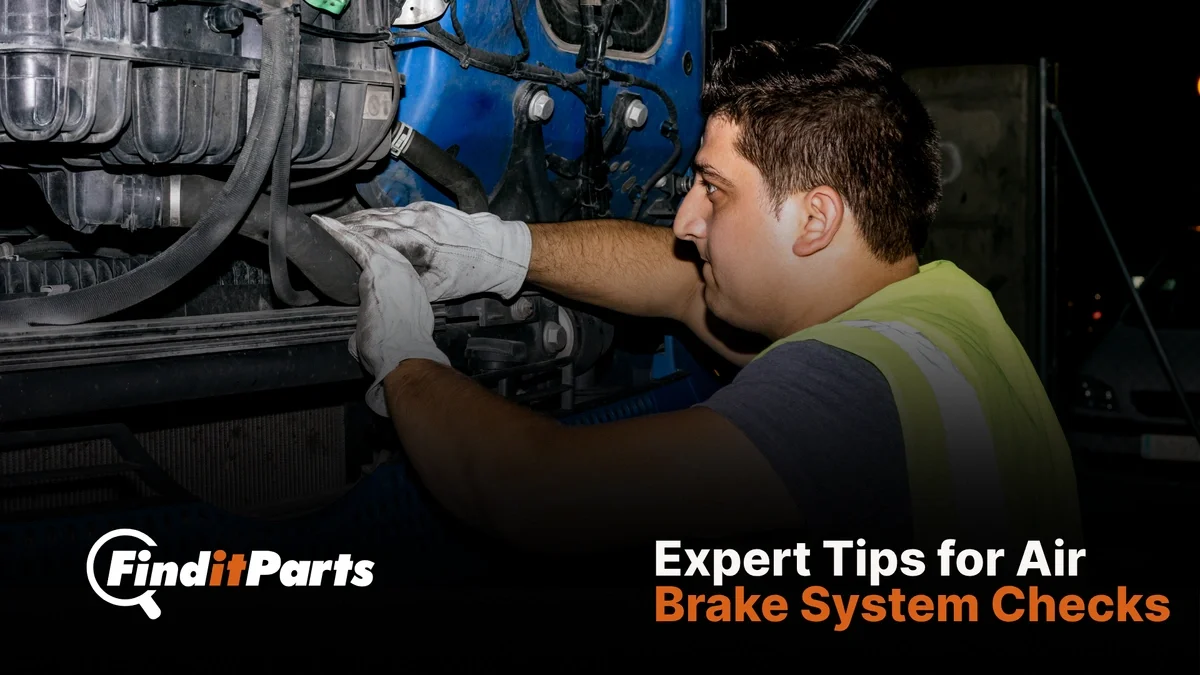
A truck’s air brake system is one of those things you don’t think about until it fails. And when it does, it’s never at a good time. Maybe you're halfway through a haul, far from the shop, and suddenly something feels off. The pedal has extra travel, stops aren’t sharp, or you hear that unmistakable hiss from behind the axle. That’s where keeping your air brake system inspected and maintained can save your load, your schedule, and your safety.
Keeping air brakes in top shape isn’t just about DOT compliance or shop checklists. It’s about making sure every component is doing what it should, when it should. That means checking more than just the chambers and push rods. As commercial spare parts continue to play a bigger role in keeping trucks moving, knowing what to look for during a brake system check should be second nature. Catching a worn line or damaged valve early can be the difference between a routine repair and a road shutdown.
Overview of Air Brake Systems
The basic air brake system on a heavy-duty vehicle has a simple job: take the force from your foot and slow down a 40,000-pound truck. But there’s more going on underneath than most realize.
Here’s a quick breakdown of the main parts involved:
- Air compressor: connected to the engine, this builds up and stores the air pressure
- Air dryer: removes moisture before it gets into the system
- Air tanks: store the compressed air
- Brake chambers: turn air pressure into mechanical force
- Slack adjusters and push rods: link chambers to s-cams and apply the brakes
- Valves and hoses: control, direct, and deliver the air where it’s needed
When any of these parts start to wear or leak, brake performance drops fast. Soft brakes, unbalanced axles, or erratic stopping can show up without warning. Common issues include dried-out seals, cracked or kinked air lines, and slow air build-up from a tired compressor.
Even an air dryer that isn’t doing its job can set off a chain of damage. Water in your tanks leads to rust in valves, and from there, you're one freeze-up away from a parked rig during the cold months. Knowing these failure points helps you spot early signs before they become big problems.
Essential Air Brake Checks
A quick onceover might catch obvious damage, but the real value comes from building reliable checks into your routine. Daily inspections, regular walkarounds, and scheduled shop service go a long way in making sure every run is a safe one. Here are a few of the most important checkpoints:
1. Daily Visual Inspections
- Look over all air lines for rubbing, wear, or loose fittings
- Inspect brake chambers for corrosion or dents
- Listen for hissing near valves and fittings with the system charged
2. Brake Pad and Rotor Evaluation
- Check pad thickness at every wheel position
- Look for cracks, grooves, or signs of warping on brake rotors
- Test brake applications while stationary to feel for uneven performance
- Inspect flexible rubber hoses for splits or deformities
- Make sure fittings are tight and not seeping air
- Check tubing routes for areas where rubbing might occur over time
New trucks aren’t immune from these issues either. If hoses aren't supported well, wear shows up fast. When replacement is needed, go with properly rated commercial spare parts to keep operating specs where they should be. Spring brake chambers, gladhand seals, and foot valves are all common items that are stocked and ready for when you need them.
Taking the extra ten minutes during your checks can make the difference between a clean trip and an emergency tow.
Maintenance and Replacement of Key Parts
Keeping air brakes in good condition isn’t just about what looks okay on the outside. Hidden failures can build up over time. That’s why sticking to regular maintenance schedules and knowing when to swap out components is key.
Some parts need to go before they show visible wear. Waiting too long puts unneeded stress on surrounding components and raises your risk of a system failure. For example, if you see signs like air leaks around chambers or a spring failing, it’s time for a replacement. If push rods are hitting their maximum travel on a routine basis, that’s another red flag. Water in your tanks could be a sign of a weak or failed air dryer.
Pay attention to any changes in brake response. Sluggish or uneven braking points to wear somewhere in the system.
When it’s time to replace, stick with known brands and make sure the specs match your OEM parts. The Bendix K132352 spring brake is a good example. It meets factory torque and stroke specs for heavy-duty setups and delivers consistent performance without shortcuts.
How often you’ll need to replace each part comes down to use:
- Frequency of operation throughout the week
- Environment: steep grades, traffic-heavy routes, or extreme heat and cold
- Moisture or road debris exposure
- Visible signs of cracks, fatigue, or corrosion
Plan smart. Base your replacement cycles on what your trucks are actually facing. Stock up on known failure points like air dryers, seals, valves, and spring brakes before your shop runs short.
Tips for Extending Air Brake Life
Even when everything looks and sounds right, that doesn’t mean your brake system can’t benefit from a few ongoing habits. Consistency and care can stretch the life of your components, saving your operation money and time down the line.
1. Lubricate All Moving Parts
- Stay on top of slack adjusters, camshaft bushings, and s-cams
- Don’t over-grease. Wipe off the excess so dust doesn’t stick and create friction
2. Schedule Regular Trail Brake Tests
- Monitor how long your system takes to build pressure
- Use the trailer brake hand valve during slow rolls to test response on each axle
- Keep an ear out for steady, consistent air releases
3. Track System Data
- Keep dated notes on inspection results and replaced parts
- Record unusual push rod travel or lag during braking
- Save logs with each truck so techs can spot trends quicker during shop work
Big fleets often rotate shop personnel to spot blind spots others may miss. No matter the fleet size, a second set of trained eyes during inspections is a good way to spot early failures.
Preparing for Seasonal Changes
Temperature swings can give brake systems a beating. It’s best to prep ahead instead of scrambling when the weather takes a turn.
Cold weather brings a freeze risk. Condensation that collects in reservoirs or lines can turn to ice if the air dryer isn’t pulling its weight. Watch for excess water during tank drains, and if you spot rust or moisture in lines or valves, the dryer or its filters might be due for replacement. Keep lines away from areas exposed to cold wind and use anti-freeze products if moisture has been a repeated concern.
When summer rolls in, don’t let high temps slide under the radar. Thinner lubricants and weaker seals show up quicker in heat. Rotors may warp and pads can glaze faster after several hard stops. Ensure slack adjusters are properly set and running cool.
Key steps to handle seasonal stress:
- Drain air tanks more frequently before winter
- Replace faulty dryers and filters
- Check for hardened or cracked seals heading into cold season
- Refresh lubricant in spring and make sure it lines up with your service specs
- Examine air compressor belt wear and make sure the cooling system is working as intended
Keeping Your Brakes Road-Ready
Brake systems are always working, always aging. Mile after mile, they wear down—quietly, steadily. But they don’t have to quit unexpectedly if you keep up your habits. The smart approach is to build checks into your schedule, listen for signs of wear, and never cut corners on parts.
Whether it’s a highway run or a short hop, a strong brake system protects your load, your truck, and your team. Replace before things fail. Keep your go-to parts in stock. Pay attention to pedal lag, odd sounds, or any pulling during stops. Trust those early warnings before they turn into major failures.
Sticking with tough, trusted commercial spare parts takes the guesswork out. Choose systems that match your OE specs and are built for the work you put in. That’s how you get consistent, confident braking no matter where the road takes you.
Keep your brakes reliable and efficient with quality solutions from FinditParts Inc. For those looking to upgrade their air brake components, explore our range of commercial spare parts to ensure your braking system remains dependable. Discover more ways to keep your fleet running smoothly year-round.
Connect With Us

Related Articles

How You Can Be Prepared For Brake Safety Week: A Simple Guide
April 01, 2026

Freightliner Cascadia Brake Pad Specifications & Fitment Guide: Complete Technical Reference
March 30, 2026
Freightliner Cascadia 2012-2019 Brake Maintenance Schedule & Inspection Guide: Keep Your Brakes Safe and Reliable
March 19, 2026