Need help? We're here!
(888) 312-8812 Login SignupPeterbilt 579 Parts
No two Peterbilt 579s are spec'd quite alike. One runs a manual behind a big-bore engine on flatbed work, the next is an automated regional tractor with a small sleeper. That variety is worth remembering at parts-ordering time, because what fits one Peterbilt 579 does not automatically fit the truck parked next to it.
Select Your Part
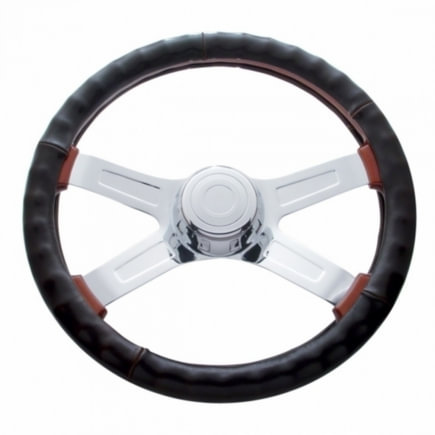
PETERBILT 579 ACCESSORIES

PETERBILT 579 AIR & FUEL DELIVERY
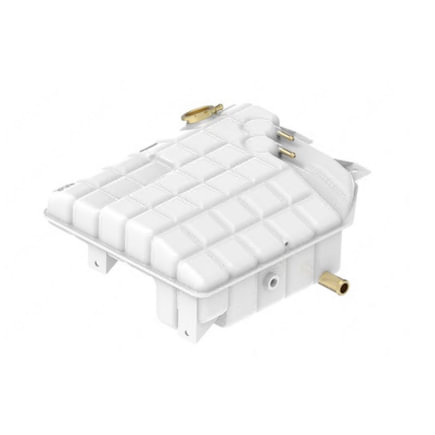
PETERBILT 579 BELTS & COOLING

PETERBILT 579 BODY, MIRRORS & FRAME
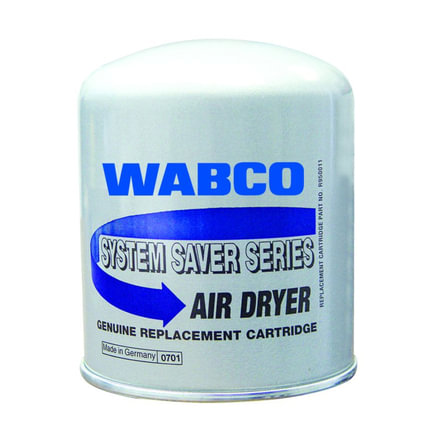
PETERBILT 579 BRAKES
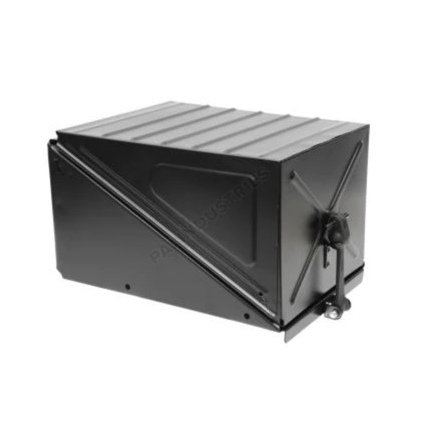
PETERBILT 579 CHARGING & STARTING
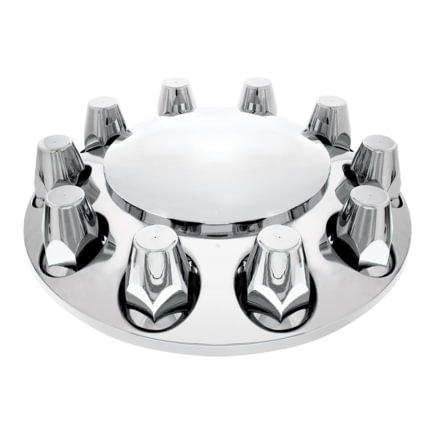
PETERBILT 579 DRIVELINE & AXLES

PETERBILT 579 ELECTRICAL & LIGHTING
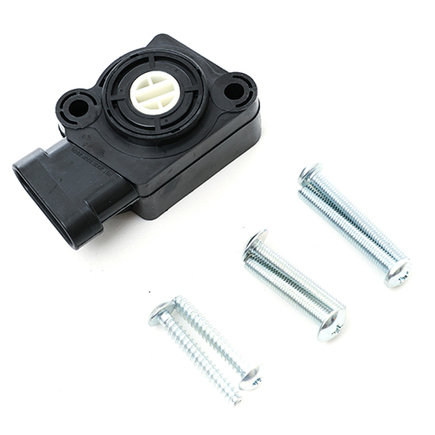
PETERBILT 579 EMISSION CONTROL
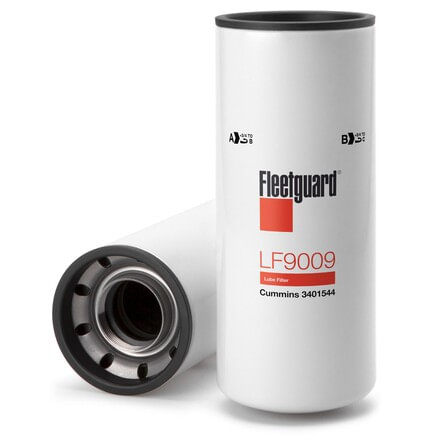
PETERBILT 579 ENGINE
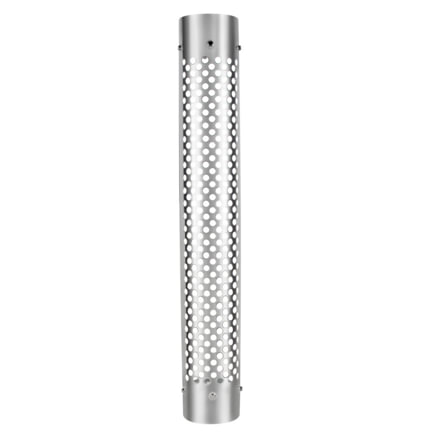
PETERBILT 579 EXHAUST

PETERBILT 579 HARDWARE & SERVICE SUPPLIES
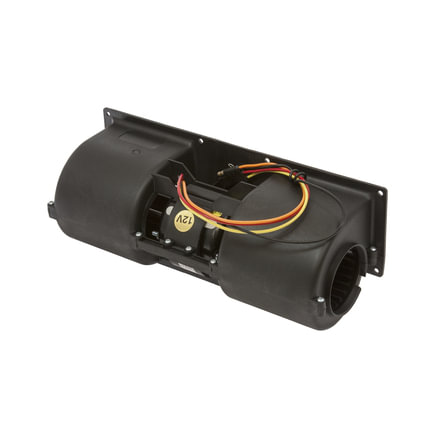
PETERBILT 579 HVAC
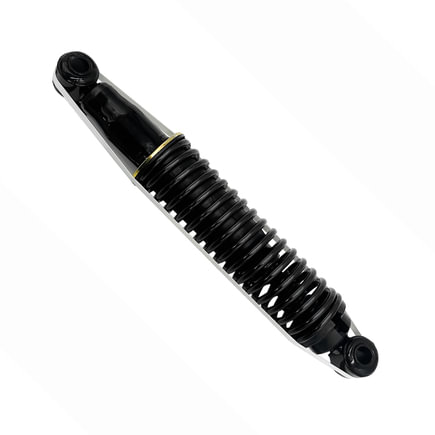
PETERBILT 579 STEERING
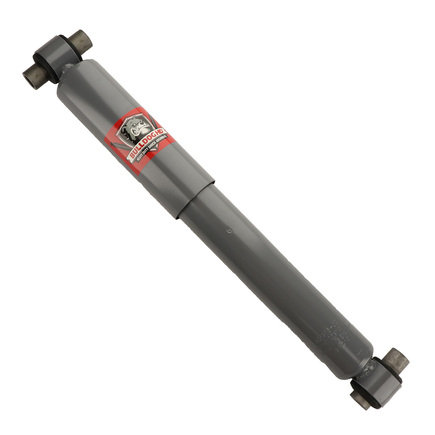
PETERBILT 579 SUSPENSION & SHOCKS
PETERBILT 579 TIRE & WHEEL
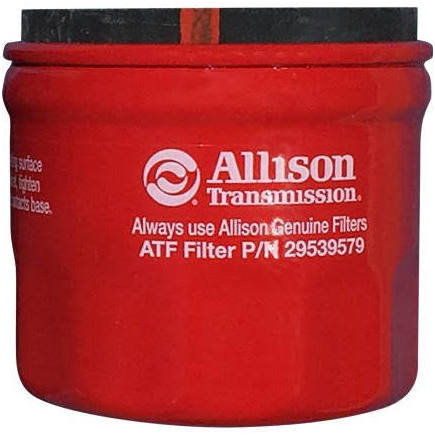
PETERBILT 579 TRANSMISSION
Peterbilt 579 Commonly Replaced Parts
Driveline components sit at the top of the list on a Peterbilt 579 running steady highway miles. Clutches wear on manual trucks, and automated transmissions bring service items of their own, from shift and clutch actuators to the air lines feeding them. U-joints, center bearings, and yokes absorb torque and vibration for hundreds of thousands of miles before they start telegraphing it through the floor.
Cooling and steering are the next two systems that generate real work. Radiators, charge air coolers, water pumps, thermostats, and silicone hose sets age out, and a small coolant leak on a 579 becomes a derate halfway up a hot grade. Steering gears, drag links, tie rod ends, king pins, and steering shafts wear under constant highway correction and show up as loose steering long before anything actually breaks. Wheel bearings, hub seals, and brake friction stay on the routine replacement schedule for any Peterbilt 579 covering serious mileage.
Peterbilt 579 Aftermarket Parts
Quality parity between aftermarket and original equipment is well established by now. Aftermarket suppliers build to published engineering standards, run the same dimensional and durability validation, and in many product lines feed the OE channel out of the same facility. A correctly spec'd aftermarket U-joint or water pump is not a compromise on the truck. Ratings and application data tell you more than the packaging does, and once you read them the source of the box stops being the deciding factor.
Given how differently a Peterbilt 579 can be configured, having options matters more here than usual. The aftermarket covers configurations a dealer counter may have thinned out, and it offers grades to choose among: a premium clutch for a tractor pulling heavy out of a yard every day, a standard unit for lighter regional work, an upgraded cooling package for southern lanes. That range lets you match a part to how the truck actually earns its miles instead of to a single line item on the original build sheet.
Why Buy Peterbilt 579 Parts Online from FinditParts
FinditParts lists Peterbilt 579 parts across drivetrain, clutch and transmission, cooling, steering and front axle, air brakes, suspension, electrical, exhaust and aftertreatment, cab hardware, and lighting. Everything sits in one catalog under one checkout, which saves the back-and-forth of splitting a single repair across multiple suppliers. Routine wear items and harder-to-source driveline components live under the same roof, so a job that needs both does not become two separate orders.
Work down through the category grid above: pick the system, then the subcategory, then the component you need. Filters on the results page narrow things by application detail, so you are comparing parts that belong on the same truck. Because a Peterbilt 579 can be built so many ways, it pays to confirm axle, transmission, and engine details before committing to an order, especially on driveline and cooling parts. Our team can verify fitment against those details when the old part is unreadable, already off the truck, or was replaced at some point with something other than what the build sheet called for. A short check beforehand beats a return later.