Need help? We're here!
(888) 312-8812 Login SignupSolving 18-Wheeler Trailer Parts Replacement Challenges
FE
FinditParts Editorial Team
October 24, 2025
Introduction
It starts with a hiss, then a thud. You pull over and discover a trailer suspension part has failed mid-run, and now your delivery’s on hold. Maybe it was a worn-out brake chamber or a blown light that’s earned you a DOT stop. Either way, downtime’s burning your hours, and the hunt for the right 18-wheeler trailer part has just become priority number one.
Replacing trailer parts isn’t like swapping out a headlight on a family sedan. These rigs are complex, and each part needs to match the build, axle rating, and sometimes even the conditions it’ll run in. Between tracking down the correct spec, choosing between OEM and aftermarket, and aligning it all with your schedule, the replacement process can stall fast. Knowing what usually fails, how to spot issues early, and where to look for options can save real time on the road and in the yard.
Identifying the Key Trailer Parts That Often Need Replacement
Some parts wear faster than others. Whether from long miles, overloaded hauls, or just time and dirt, certain components are repeat offenders when it comes to breakdowns. Knowing these high-risk spots lets you plan ahead before problems stop you cold.
Start by taking a look at these commonly replaced trailer parts:
- Brake systems: These include spring brakes, slack adjusters, air chambers, and drums. When these parts wear out, they affect stopping power and can take you out of compliance quickly. One common sign is uneven braking or a delay between pedal press and trailer response.
- Lights and wiring: Trailer lights take constant abuse. Exposure to moisture, road salt, and loose connections can cause flickering, failure, or shorts. If a trailer light works only when you hit a bump or stops working when it rains, that’s a wiring problem waiting to grow.
- Suspension components: Leaf springs, hangers, and shock absorbers hold up a lot of weight. When they wear, you may notice the trailer leaning, backed-up bushings, or a jarring ride. It’s also worth watching for bolt wear at mounting points.
- Tires and hubs: Besides tread wear, look at sidewalls for dry rot and cracking. Uneven tire wear may point to alignment issues or worn hub bearings, both of which can go from annoying to unsafe in a short run.
Truckers and shop techs often spot trouble through unusual vibrations or noises. A trailer that pulls to one side or feels like it’s bouncing too hard on bridges probably has something off in the undercarriage. Use that feedback. One issue that got ignored cost a driver an entire axle because the early signs of a bad hub bearing went unnoticed over several runs.
Finding the Right Parts: OEM vs. Aftermarket Options
Once you’ve pinned down what needs replacing, the next step is picking the right part type. That usually comes down to choosing between OEM (Original Equipment Manufacturer) and aftermarket parts. Each has its pros and tradeoffs depending on the situation and how the trailer runs.
Here’s a quick breakdown:
- OEM parts match the specs of the original trailer build. They’re made by or for the same company that manufactured the part used when the trailer was built, which makes them reliable for high-performance use. They fit flawlessly and usually come with solid warranty backing.
- Aftermarket parts, when sourced from reputable brands, can be just as dependable and are often more affordable. Some are traditional stock replacements, while others offer upgraded features the OEM version might lack.
Use OEM for parts tied closely to safety or performance, like brake chambers or ABS sensors. For components that don’t affect critical function, like mud flaps or lighting assemblies, aftermarket makes sense if you’re keeping costs down.
If you're replacing a spring brake chamber and want something built to handle rough road conditions, products like the Bendix 801541 fit the bill. Or if you're swapping out trailer lights, consider the Truck-Lite Model 50 LED Marker Light for its weatherproof seal and long life.
The decision often comes down to how fast you need the part, what fits your rig’s reliability goals, and who stands behind the label. As long as you’re checking specs carefully, either route works depending on the application.
Steps to Ensure a Seamless Replacement Process
Getting the right part is half the battle. The other half is getting it installed fast and right the first time. One delay can set off a chain reaction—missed delivery windows, DOT violations, or worse, a breakdown in the middle of nowhere. Taking a step-by-step approach to diagnosing the issue and planning the replacement process saves time and frustration.
Start with proper diagnosis. That means more than a quick glance. Look for physical signs of damage, test components, and confirm the failure before placing an order. For brakes, check air leaks or weak spring force. For wiring, use a multimeter to test continuity. Rushing to replace the wrong part leads to even more downtime.
Once you’ve confirmed the problem, it’s time to lock in the part:
1. Use the part number if available. It avoids mix-ups and saves time.
2. Cross-reference with the VIN or use a lookup tool to match trailer specs.
3. Double-check fitment data and physical dimensions.
4. Review materials, performance features, and warranty coverage.
Let’s say your trailer is laid up due to a faulty relay valve. You’ll want something reliable and pressure-rated to work with your air system. A product like the Bendix R-12P valve suits many air brake setups and brings peace of mind when time is tight.
And don’t forget the tools. Swapping out threaded or torqued components without the right equipment can cause installation damage. Making sure you’ve got the right socket depth, torque settings, and mounting instructions will keep your repairs from turning into repeat visits. When in doubt, bring in the pros to handle sensitive replacements correctly.
The Role of Preventive Maintenance in Reducing Replacement Frequency
Most trailer breakdowns start with small signs. A slow air leak. A flickering marker light. A squeak or sway that wasn’t there last week. Catching those issues early is the only way to stay off the side of the road, and that’s where regular preventive maintenance plays a big role.
Build your inspection routine into your weekly or pre-trip checks. It doesn’t have to be complicated. Just staying consistent can reveal problems before they cost you downtime.
Here are a few tips to keep your trailer parts from failing at the wrong time:
- Walk the full length of the trailer and inspect all visible components.
- Look around the brakes—chambers, hoses, lines—for air leaks or cracked boots.
- Tug on wiring pigtails and check for corrosion at terminals.
- Check light function with hazards, turn signals, and brakes.
- Scan suspension parts for dents, wear spots, or loose bushings.
- Rotate tires regularly and check for uneven wear or sidewall damage.
- Verify all mounts, bolts, and supports are tight.
- Use dielectric grease on exposed terminals to resist corrosion.
Running quality parts makes a difference too. Replacing with the cheapest option might save a few bucks upfront, but when that choice leads to early failure, you’re right back in the downtime loop. Whether it’s lighting, air brake valves, or shackles, choose parts designed for heavy workloads and long hauls.
One shop mechanic shared how a pre-trip inspection helped catch a cracked leaf spring bracket just two days before it would’ve sidelined a trailer during back-to-back hauls. Quick eye, quick action—that’s what keeps trucks moving.
The Road Doesn’t Wait, and You Shouldn’t Either
Every mile costs fuel, labor, and time. Sitting still for a failed part adds to the burn. Whether it’s a spring brake chamber, a shock absorber, or a faulty ABS wire, each delay hits the bottom line harder. The key is knowing your equipment well enough to stay ahead of problems and having a clear path to the replacements you need.
Knowing what parts fail most often, catching early signs, and being ready with the right spares puts control back in your hands. When you’re set up with solid knowledge and a smart plan, you avoid guesswork and downtime.
Being proactive with trailer maintenance and replacement isn’t about chasing perfection. It’s about staying ahead of the problems that cost you time, cash, and customers. Keep checking, stay sharp, and keep that trailer rolling strong out there.
Keep your 18-wheeler rolling smoothly and efficiently with the right trailer parts. Whether it's a brake system or suspension component, having dependable parts ensures you're always ready to hit the road confidently. Explore our range of 18-wheeler trailer parts at FinditParts Inc. and streamline your procurement process. Trust our extensive inventory to get you back on track faster, minimizing downtime and maximizing productivity.
Connect With Us

Related Articles
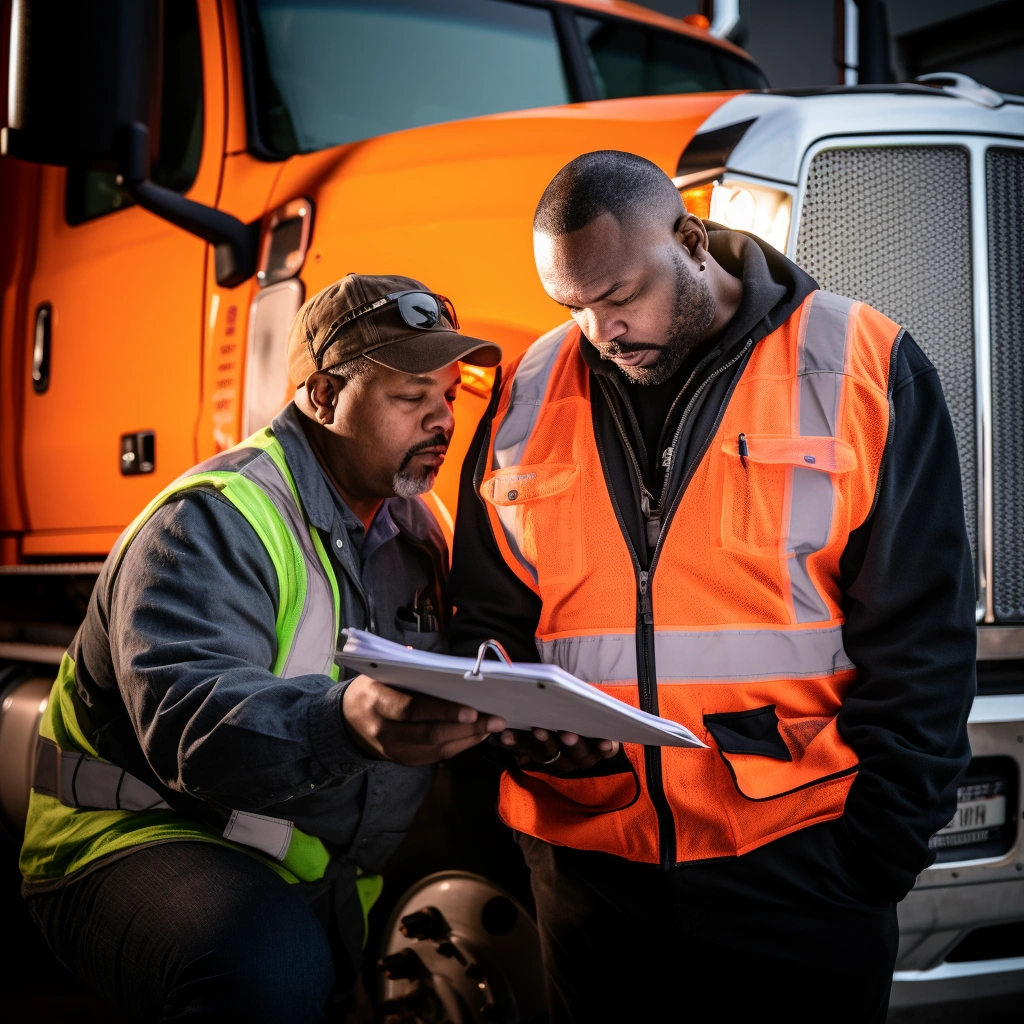
How You Can Be Prepared For Brake Safety Week: A Simple Guide
April 01, 2026
Freightliner Cascadia Brake Pad Specifications & Fitment Guide: Complete Technical Reference
March 30, 2026
Freightliner Cascadia 2012-2019 Brake Maintenance Schedule & Inspection Guide: Keep Your Brakes Safe and Reliable
March 19, 2026