Need help? We're here!
(888) 312-8812 Login SignupNecessary Lubricants that Keep Your Truck in Peak Condition
FE
FinditParts Editorial Team
August 19, 2021
For economic fleet operation, trucks and commercial vehicles that deliver dependable and cost-efficient performance are a basic imperative. One important factor that greatly impacts a fleet's operating costs is the fluid or lubricant used to keep vital systems and truck parts running smoothly. Among the essential fluids you should properly choose to ensure efficient truck and vehicle performance are:
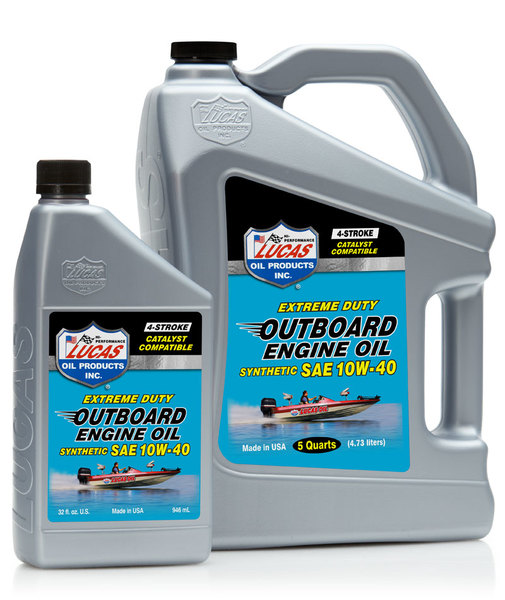
Engine Oil
To avoid downtime and keep your commercial vehicle running smoothly, the most important maintenance task you shouldn't neglect is regular engine oil replacement. Such fluid performs these four main roles to keep your engine working well for years to come:
- Lubrication
The motor oil's main task is to lubricate the parts of your engine that produce friction due to constant movement. This oil penetrates every nook and cranny of these moving parts to reduce friction that quickly wears down engine components and renders the entire assembly useless.
- Cleaning
The motor oil has the power to get rid of the microscopic deposits that get stuck in the engine. This residue, if not removed, may clog the engine and affect its performance. The engine oil continuously washes these impurities off and takes them to the oil filter, where they are trapped.
- Cooling
During combustion, the engine loses energy, and the friction produced between mechanical parts causes a rise in the engine temperature. As motor oil lubricates the engine's moving parts, the heat is also released via the lubrication circuit. It aids in engine cooling, especially in the areas that aren't reached by the coolant.
- Sealing and Corrosion Protection
Motor oil also enhances the sealing of engine pistons and cylinders. This oil adds a protective layer between the various engine parts to seal any clearances that may appear. It also protects against corrosion—modern engine oils now include additives that slow down rust and acid formation caused by combustion.
Over time, engine oil may oxidize and will fail to perform its corrosion-inhibiting role. It can also get dirty and less efficient in doing its other tasks. When it's been over a year since your last oil change, it’s time to have it replaced with the best product available. Regular oil changes are among the most effective ways to keep your truck roadworthy and ensure it continues to perform efficiently without costly downtime.
Gear Lube
The metal-on-metal contacts that take place in your truck's gear systems generate heat and cause wear and tear. The gear oil acts as a lubricant that protects these moving components from wear by minimizing friction and driving heat away from them. This fluid ensures the smooth operation of manual gearboxes, transmissions, transaxles, differentials, and transfer cases. Insufficient lubrication of these parts often results in corrosion, scuffing, or pitting of drivetrain components, which can compromise performance and safety.
Because of the high stress placed on drivetrain parts, gear lube is formulated to withstand extreme temperatures and pressure. Periodically changing the gear lube extends the service life of these systems and prevents breakdowns. Many experienced drivers combine proper lubrication habits with other preventive maintenance strategies to avoid costly truck repairs—a smart approach that minimizes unscheduled downtime and major repair expenses.
Antifreeze Coolant
The coolant plays a crucial role in maintaining your truck engine's performance by preventing it from freezing and ensuring heat balance by eliminating heat. This fluid performs these tasks while protecting its components against corrosion. Depending on the type of your vehicle, your engine may require a coolant with specialized additives. Some trucks need a coolant particularly formulated for specific manufacturers or a coolant made specifically for high-mileage vehicles.
Regular coolant checks are vital since the cooling system directly affects engine longevity. Failing to monitor it can accelerate wear in key components like radiators and water pumps, both of which are among the most commonly replaced heavy-duty truck parts in aging fleets. Staying on top of fluid quality and temperature balance keeps these components working efficiently and prevents overheating issues on the road.
Hydraulic Oil
Hydraulic oil is considered the life of your hydraulic system. It is a non-compressible fluid consisting of oils and additives that efficiently transmit power while working as a coolant and lubricant at the same time. Effective in a wide range of temperatures, this oil decreases wear, prevents rust and corrosion, and provides consistent power delivery across hydraulic systems.
The hydraulic oil performs such functions, thanks to specific additives that boost its ability to withstand pressure and temperature extremes. It also helps trap contaminants and transfer them to the filter for removal. Clean hydraulic oil ensures smoother operations for systems like lifts, dump beds, or cranes, which all depend on steady hydraulic pressure.
Operators who handle on-the-road or site maintenance also benefit from having essential tools truckers should keep in their toolbox—these help with quick checks, fluid refills, and small hydraulic fixes that keep machinery running without interruption.
Brake Fluid
A type of hydraulic oil, the brake fluid serves as your brake system's lubricant. It reduces the negative effects of the constant brushing between moving components. It flows through the brake lines and goes to all the wheels of your truck. As the brake pedal is pressed down, the brake fluid enables the force to be applied to the brakes so the vehicle will slow down and eventually stop. This fluid helps ensure your driving safety and the safety of everyone around you by making sure the brake components work smoothly and can bring your truck to a halt whenever needed. Like other automotive lube, the fluid also needs regular replacement to keep the brakes in mint condition.
Transmission Fluid
You should always match your truck's powerful engine with a well-kept transmission system. One way to do that is to make sure your transmission fluid is clean and capable of lubricating the transmission's mechanical parts, inhibiting oxidation, slowing down rust formation, conditioning the gaskets, and maintaining fluid pressure. The transmission fluid adds a protective layer to the transmission components, thus enhancing their performance and extending their lifespan.
As truck technology evolves, new formulations and materials improve the way fluids interact with parts. Many fleets now use products developed from the latest advancements in heavy-duty truck components to maximize efficiency, extend service intervals, and support the higher torque demands of modern engines.
When it's time to change any of your truck's essential fluids, FinditParts is the place to go. With its low-cost yet high-quality products and solutions and hassle-free part ordering system, this online shop ensures a hassle-free shopping experience and customer satisfaction. Check out our site now and get the most out of your truck's crucial systems and components without spending a fortune.
Connect With Us