Need help? We're here!
(888) 312-8812 Login SignupAir Suspension Dump Valve Operation Made Simple
FE
FinditParts Editorial Team
October 28, 2025
Introduction
When your rig is loaded and ready to roll, suspension issues are the last thing you want slowing you down. Air suspension systems do a lot of heavy lifting, both literally and figuratively. They're a big reason your truck rides smoother, handles better, and protects both cargo and axles from damage. At the center of this setup is a part you don’t hear talked about often: the air suspension dump valve.
This valve may be small, but its job is huge. Whether you're at a loading dock or swapping trailers, dropping the suspension quickly helps get the trailer to the right height without wasting time. It’s built to react fast, stay reliable, and take a beating from everyday truck use. Knowing how it works and how to keep it running right is one of the easiest ways to stay ahead of costly downtime.
Understanding Air Suspension Dump Valve
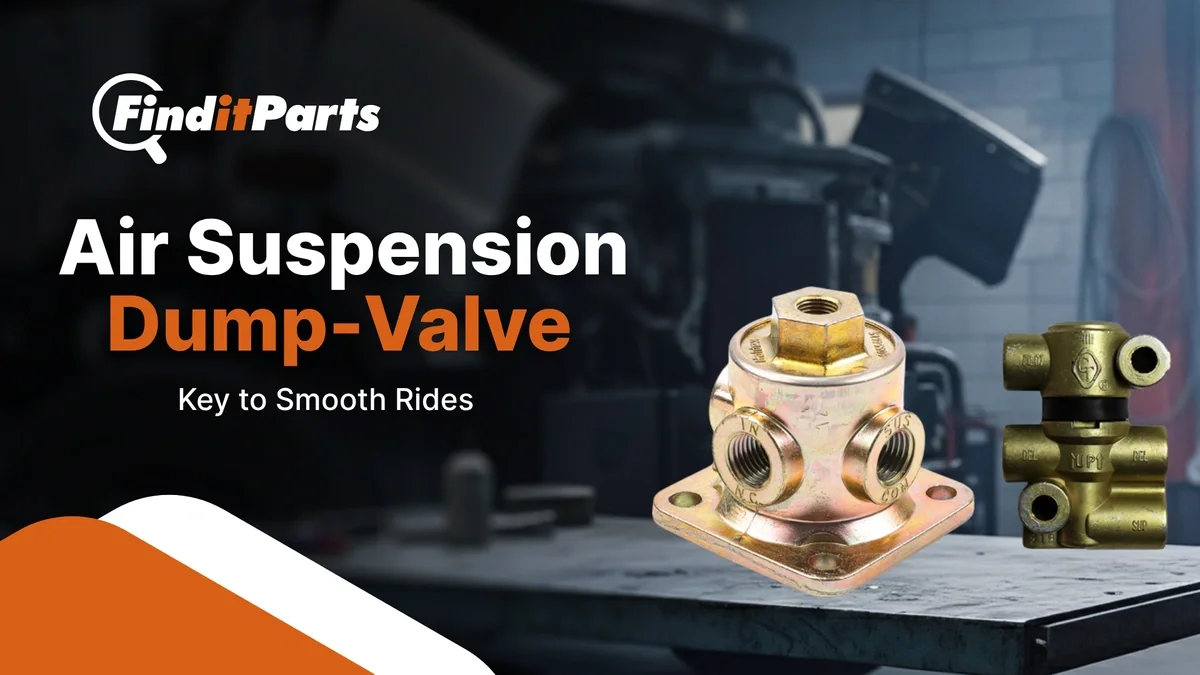
An air suspension dump valve controls the air pressure in your suspension system. It helps raise or lower trailer height when you need it. Once activated, the valve opens to release compressed air from the air springs. That sudden drop in pressure lowers your trailer, making coupling, uncoupling, and cargo operations quicker and smoother.
There are different types of dump valves, like manual, electric, or automatic, depending on how your truck is set up. A manual valve might have a switch on the dashboard or mounted near the trailer's control panel. Electric systems usually include switches or sensors, offering more precise drop control with very little input. No matter the type, the goal is the same—relieve air from your system to bring the trailer frame down in a controlled way.
Basic components of a dump valve system include:
- Airline fittings and connectors
- Control wiring or switches
Most setups are straightforward, but knowing how each part connects can save a lot of guesswork. For example, a leak at the valve stem might mean the internal seals are worn, while a trailer that doesn’t drop could mean a faulty solenoid or disconnected wire. If your valve is due for replacement, matching specs like switch type and air capacity is key. Having clear part numbers makes all the difference.
Common Problems and Troubleshooting
Even well-built dump valves don't last forever. Exposure to the elements, constant pressure shifts, and road debris wear these parts down over time. Most failures happen at the worst moments, like mid-load or while backing into a bay. Spotting trouble early can help keep minor problems from turning into major ones.
Here are five frequent dump valve failures and how to find the root cause:
1. The valve won’t activate
- Inspect for a broken switch, blown fuse, or corroded wiring
- Double-check all electrical connections
2. Trailer doesn’t lower after activation
- See if the airline is blocked, kinked, or frozen if it's cold
- Listen for air movement to confirm the valve is opening
3. Air springs stay deflated
- The valve may be stuck open
- Broken internals like the return spring or seal can cause this
4. Slow response time
- Check for dirt or debris inside the valve
- Make sure there’s enough pressure in the air tank
5. Audible air leaks near valve
- Look for loose air fittings or worn O-rings
- Cracks in the valve body also cause slow leaks
You don’t need a big shop or fancy test equipment to figure out most problems. Some wiring checks and a visual inspection usually get you there. Electric valves are more sensitive and might need a spare relay or switch. For simple manual valves, it’s smart to keep extra fittings or thread sealant on hand. Having what you need nearby means fewer delays when something does go wrong.
Tips for Proper Maintenance
Keeping your dump valve in shape doesn’t take much. Consistency is more important than having a shelf of tools. Just like you'd check oil and tire pressure, make this valve part of your basic inspection routine. It’s a wear item, and it performs better when it gets some regular attention.
Start by giving it a visual once-over. Check airline fittings for cracking, fraying, or buildup. Even a slow leak can drain system pressure or cause your suspension to sag. Listen for hissing sounds around the valve that could point to leaks, and don't forget to check:
- Airline tightness and corrosion
- Clamp and bracket condition
- Valve mounting stability
- Dirt, road salt, or oil caked around the valve
If it’s an electric system, you’ll want to make sure the wires are dry and clean. Corroded or wet harnesses can trip sensors or stop the valve from working at all. If your valve sits in an exposed spot under the frame, consider adding a shield or cover to reduce debris buildup.
Most of this work can be done during regular PM checks. It doesn’t take long to inspect a few wires or run your hand along the air line. If something seems off, catching it early might save you a roadside repair or full suspension issue.
Benefits of Upgrading Your Dump Valve
When your dump valve isn’t working right or starts to show its age, it’s a good time to think about an upgrade. New dump valves usually come with better seals, higher-grade housings, and smoother activation, which means your system performs more reliably under stress.
A good quality valve can react quicker to air pressure drops, which makes things go smoother at docks with uneven surfaces, or while handling lightweight trailers where ride height is more sensitive. For fleets, this consistency adds up to fewer mechanical issues and less strain on other parts like your compressor or air tank.
Some newer models also waste less air. They seal tighter when not in use and hold system pressure better, especially helpful if you’re pulling accessories or tools off your main tank. Trusted names like Meritor, Bendix, and Haldex all offer heavy-duty dump valves designed to last longer and respond instantly.
When picking a new valve, make sure everything matches—voltage, fitting size, mounting setup, and air specs. Choosing the wrong type can cause more problems and downtime than it solves. Double-check system compatibility and use product pages that clearly show which valves work with your trailer or air suspension brand.
Why This Small Part Deserves Your Attention
The dump valve may seem like a minor part, but its job ties into the entire suspension setup. It works alongside your air bags, leveling valves, and air lines to help keep your trailer balanced, protect your load, and make routine operations more manageable. Ignoring a problem here could speed up wear on your compressor, air springs, and braking system.
Catching weak points early and changing worn components keeps your truck safer and your trips smoother. When everything in the air suspension system works as it should, your ride quality holds steady, tire wear stays even, and trailer couplings go quicker and cleaner.
Letting a failing dump valve stay in service too long invites sagging height, added strain, and slower lift times. If one part slips, the others pick up the slack—which leads to larger failures down the road. A quick inspection now can mean fewer headaches later.
A well-maintained dump valve performs without drama. The second it's out of line, you’ll know it—maybe at the worst possible moment. That’s why it pays to stay ahead of problems and upgrade when its performance starts slipping. This small part can make a big difference when you depend on your suspension to do its job every single day.
When it comes to keeping your suspension in top shape, having the right parts makes all the difference. Trust FinditParts Inc. to provide everything you need for a smooth ride. For the best performance and reliability, explore our selection of air suspension dump valve options built to meet your rig’s demands.
Connect With Us

Related Articles

How You Can Be Prepared For Brake Safety Week: A Simple Guide
April 01, 2026

Freightliner Cascadia Brake Pad Specifications & Fitment Guide: Complete Technical Reference
March 30, 2026
Freightliner Cascadia 2012-2019 Brake Maintenance Schedule & Inspection Guide: Keep Your Brakes Safe and Reliable
March 19, 2026