Need help? We're here!
(888) 312-8812 Login SignupWhat OEM Part Source Keeps Fleets Ready by February
FE
FinditParts Editorial Team
November 25, 2025
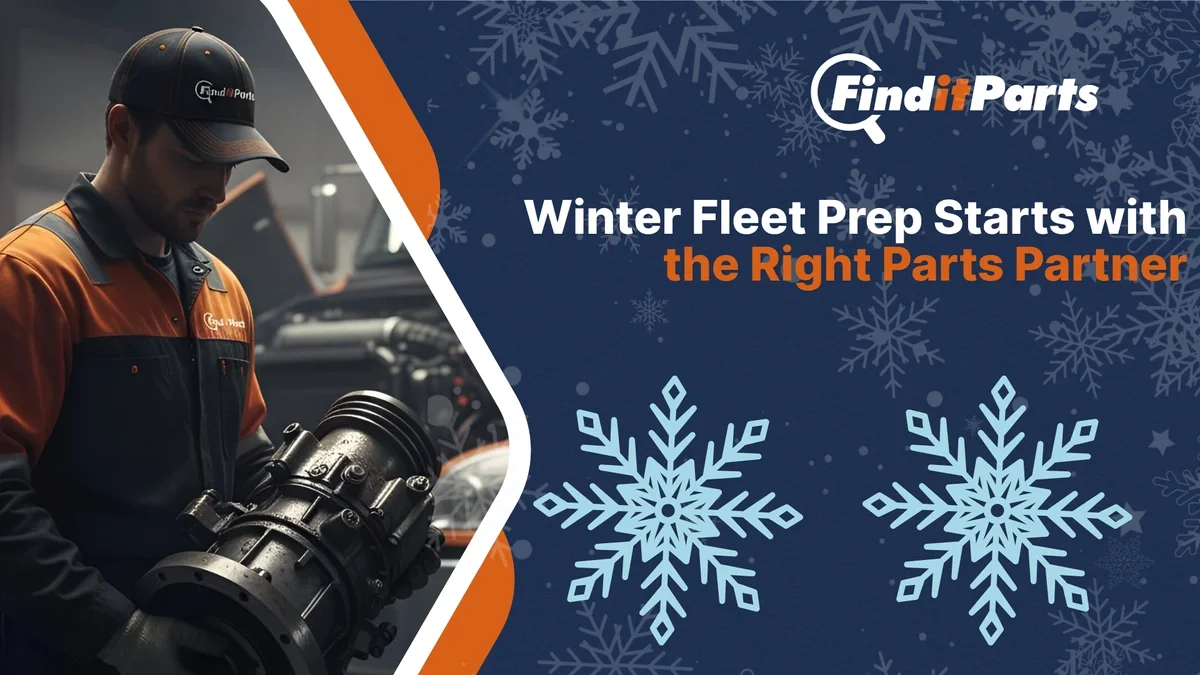
December shakes out the slack. Either your rigs are prepped and rolling into the cold season, or you’re stuck chasing parts for breakdowns that should have been handled weeks ago. By the time temperatures drop, fleets need heated cabs blowing strong, brakes that bite, and air systems that don’t leak pressure halfway up a mountain. And none of that happens without parts ready to go, on hand, and exactly what the truck needs.
Every year, supply chains tighten up just as demand spikes. Freight runs stretch longer, delivery windows get shorter, and bay space starts to disappear. If you wait too long, you’re paying more for slower service while hoping a package shows up before a truck is overdue for a run. The right OEM part source saves crews from that kind of scramble, giving them access to stock that’s already riding the shelf—not sitting in a dock queue two states away. It all comes down to planning early, ordering smart, and leaning on a parts partner that hits deadlines when February kicks in hard.
Why December Readiness Matters for Fleet Uptime
Winter doesn’t politely wait for your last-minute parts order. Subfreezing temps take a toll on key systems, and the parts that power them fail faster under stress. Electrical charging and starting systems go first. Batteries lose charge, starter motors grind themselves out, wiring harnesses get brittle and crack. Brake systems follow close behind, especially when moisture turns into ice inside the lines.
At the same time, freight volume jumps. More freight, more runs, more risk of late loads if one unit goes down. And when parts dry up, one mechanic with the wrong replacement costs more than just delays. It costs reputation. It costs lost return work.
That’s why being ready by February matters. When trucks show up hot from back-to-back hauls, downtime has to be measured in hours, not days. And that only works if your shop has the right parts already on hand, not trending on backorder alerts.
The Problems with Chasing Down Parts Last-Minute
Orders made in a rush almost always pull time away from where it counts. Counter guys spend their mornings chasing stock numbers down. Calling five vendors for one part. Cross-referencing wear-and-tear inventory against old orders that might not even sync up with current specs.
Then the install crews sit. Stalled out waiting for air dryers, valves, or the right electrical connector that fits behind the HVAC blower motor. Even when a workaround gets the truck rolling, we all know what happens next. It comes back again, in worse shape, and under worse timing.
That kind of scramble chips away at trust. Drivers lose faith in the fix. Fleets start double-booking jobs just to keep a backup ready. And it all points back to the same thing—bad timing on parts.
How Reliable OEM Part Sources Make Winter Prep Easier
So what makes an OEM part source actually helpful when weather pressure turns up? It starts with tools that save time on the front end. VIN lookup. Accurate cross-referencing. When a counter tech plugs in the right make and model, the right part shows up without extra digging.
Then there’s stock depth. A reliable source should already carry the parts that fail most in winter. Things like heater hoses, purge valves, relay valves, and air brake chambers. No substitutions. No waitlists.
More than that, it comes down to knowing what will ship fast. Real-time stocking info is the difference between fixing a truck today or rerouting it four days later. Winter prep shouldn’t stall because some warehouse system spits out “pending” when you’re trying to finish an urgent repair.
Features That Define a Dependable OEM Parts Partner
Some things separate the average from the dependable. A deep catalog isn’t just about size. It’s about verified fitment and consistent availability—especially across common winter-failure categories like air systems and heating components.
There’s also access to region-sensitive stock. Freight companies running Northern routes have different priorities than those in milder zones. You need suppliers that line up with your routes, not just blanket coverage with no focus.
Reordering tools save the crew time. Many solid parts sources give you ways to automate seasonal checklists. For example, flagging common February repairs or offering reminders based on mileage cycles. That keeps maintenance proactive, not reactive.
Shortcuts for Fleet Managers on Tight Schedules
When every truck is under load and every minute counts, managers don’t have time to rethink every part purchase from scratch. That’s where a few shortcuts really help:
-
Set up buy lists tied to your most common cold-weather fixes.
-
Use online catalogs that show real-time inventory so you don't blindly order.
-
Training your maintenance leads to keep eyes out for repeat failures as the weather turns cold.
By getting ahead of replacements, you protect your crews’ time and keep equipment where it belongs—on the road.
Stay Stocked, Stay Moving
February isn’t forgiving. It’s busy, cold, and packed with pressure from every corner. Parts either show up when you need them or they don’t. Crews are already maxed out keeping deliveries on time and equipment inspected. There’s little patience left for guessing or delays.
Having the right OEM part source isn’t about loyalty. It’s about control. Control over inventory. Control over install timelines. Control over whether your trucks are running or waiting on a shipment you can’t trust.
The fleets that roll strong through winter aren’t lucky. They just got ready ahead of everyone else. They made smart choices early and worked with parts sources that know what it actually takes to stay ahead. February is never easy. But it is predictable. And smart prep always wins.
At FinditParts Inc., we’re built to keep crews moving through the busiest months, and the right OEM part source can make all the difference when winter turns up the pressure. Stocking ahead gives fleets the edge with brakes, suspension, and steering parts that fit right the first time and are ready before the truck ever hits the bay.
Connect With Us

Related Articles

How You Can Be Prepared For Brake Safety Week: A Simple Guide
April 01, 2026
Freightliner Cascadia Brake Pad Specifications & Fitment Guide: Complete Technical Reference
March 30, 2026
Freightliner Cascadia 2012-2019 Brake Maintenance Schedule & Inspection Guide: Keep Your Brakes Safe and Reliable
March 19, 2026