Need help? We're here!
(888) 312-8812 Login SignupTruck Driver Shortage Statistics 2026: How Big Is the Gap and What's Being Done?
FE
FinditParts Editorial Team
January 29, 2026
FE | FinditParts Editorial Team
Trucking is one of the most critical pillars of the U.S. economy, responsible for moving the vast majority of freight across the country and sustaining supply chains from coast to coast. Most freight in the United States, well over two thirds, is transported by commercial trucks, underscoring the industry’s central role in economic activity.
Yet in 2026, one of trucking’s most persistent challenges remains unresolved: the truck driver shortage. Although industry conditions have shifted year to year, a consistent gap persists between demand for drivers and available qualified workers. The latest estimates suggest this shortage remains significant and could grow without sustained recruitment and retention efforts.
Below is a comprehensive, up to date look at the most important truck driver shortage statistics shaping the industry.
Table of Contents
-
Key Trucking Shortage Statistics
-
Trucking Workforce Statistics
-
Trucking Demand vs. Capacity Statistics
-
Equipment and Maintenance Statistics
-
The Global Truck Driver Shortage
-
Additional Freight Facts
-
Underlying Causes of the Trucking Shortage
-
Impact on Truckers and Businesses
Unpacking the Driver Shortage Debate
Trucking Workforce Statistics
The demographic profile and employment trends underline the depth of the shortage challenge.
-
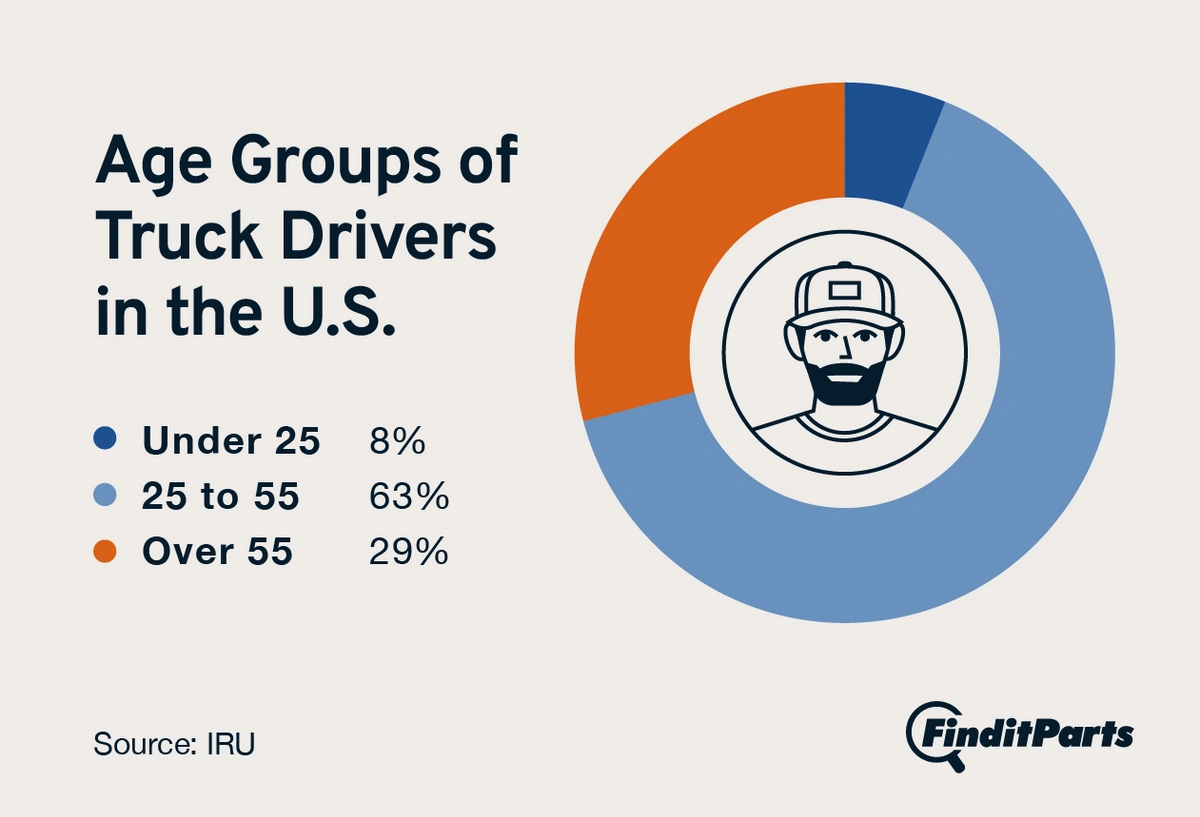
The average age of a U.S. truck driver is approximately 46 years, based on occupational data from the Census.
-
The average age of a truck driver remains above mid-40s, reflecting an aging workforce that is central to labor gap concerns.(ATA)
-
Approximately 237,600 job openings for heavy and tractor-trailer truck drivers are projected annually through 2034, much of which reflects replacement needs from retirements and labor exits. (Buera)
-
An aging driver base means many drivers are nearing retirement eligibility, contributing to ongoing recruitment pressure.
-
A significant share of veteran drivers and experienced professionals are closer to retirement than entry-level age demographics.
-
Equally important, fewer younger drivers are entering the field, creating a long-term demographic concern.
Trucking Demand vs. Capacity Statistics
Demand for trucking services continues to grow alongside e-commerce and supply-chain complexity.
-
E-commerce sales in the U.S. were estimated at $1.12 trillion in 2023, accounting for roughly 22 % of retail sales, strengthening freight demand.(Altline)
-
Industry capacity utilization has hovered near 88 % in 2024, indicating tight but not collapsing freight capacity.(Altline)
-
Truckload spot rates increased year-over-year in 2024, reflecting continued demand pressures.(Altline)
Equipment and Maintenance Statistics
The shortage isn’t just people—it’s also aging equipment and rising operational costs.
-
Over 69 % of fleets reported trucks older than their “ideal” replacement cycle, leading to higher maintenance burdens.(Altline)
-
Road mileage across trucking climbed into the hundreds of billions of miles annually, increasing wear and reducing fleet availability.(Altline)
-
Parts and maintenance costs are up year-over-year due to labor shortages, supply chain constraints, and technology costs.(Altline)
-
Insurance and other operating costs for carriers continue to pressure profitability and pay structures.
The Global Truck Driver Shortage
The U.S. situation reflects a wider global trend.
-
Globally, truck driver shortages remain acute, with millions of unfilled driver roles across dozens of countries. (International Road Transport Union – worldwide data)
-
In many markets, more than half of companies report “severe” difficulties filling truck driver positions.
-
Countries with aging driver demographics face similar recruitment barriers.
Additional Freight Facts
Freight movement underscores just how critical trucking is to the broader economy.
-
In 2024, the U.S. trucking industry recorded approximately $906 billion in freight revenues.(Americantruckin.)
-
Nearly 67 % of surface trade with Canada and 85 % with Mexico is transported by truck.
-
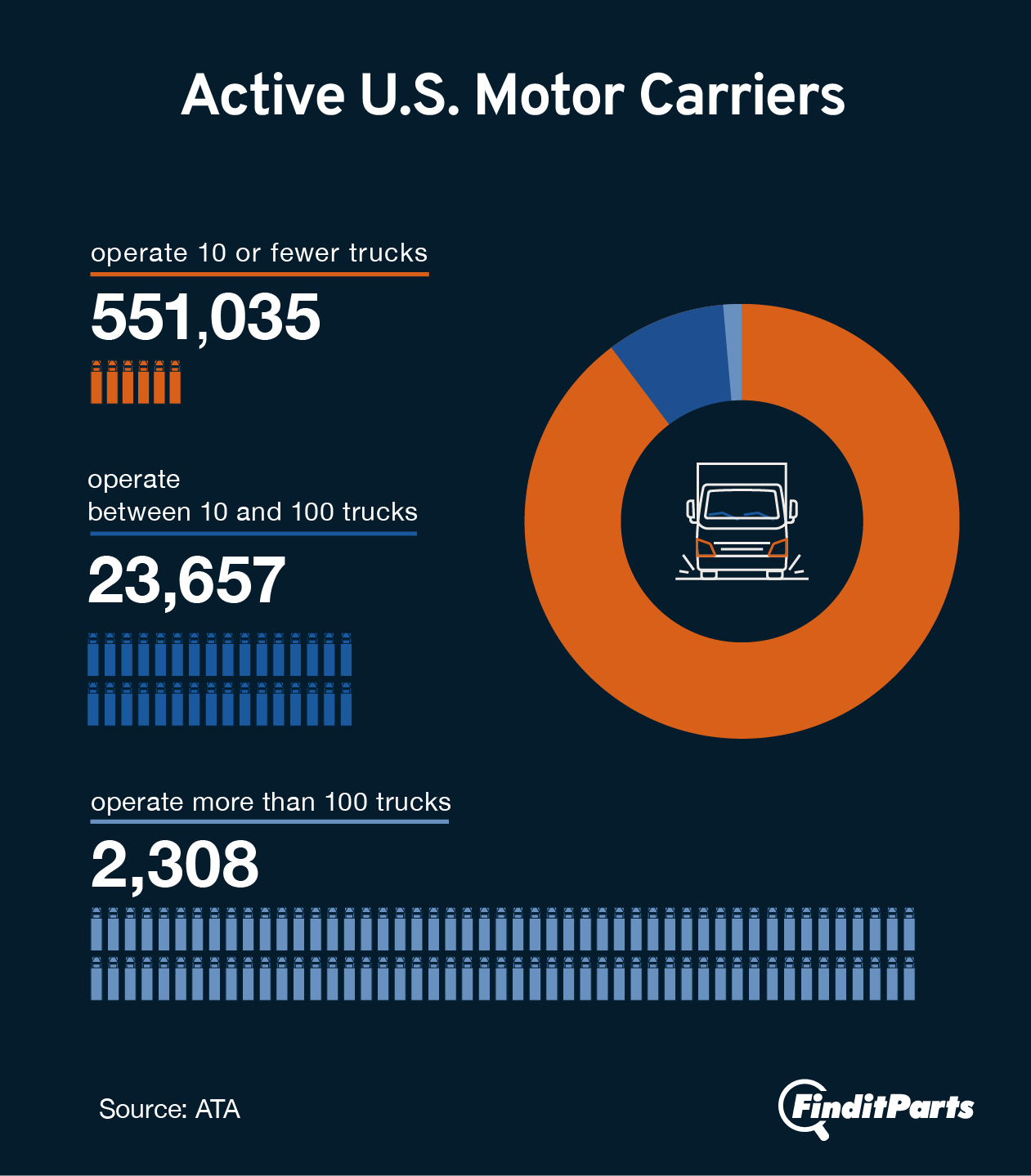
The number of active motor carriers in the U.S. remains in the hundreds of thousands, the majority of which are small carrier operations.
Driver pay has escalated in recent years as carriers compete for limited labor.
Underlying Causes of the Trucking Shortage
Multiple compounding factors drive the shortage, including:
-
Aging Workforce: Older drivers retiring faster than younger recruits enter the profession.
-
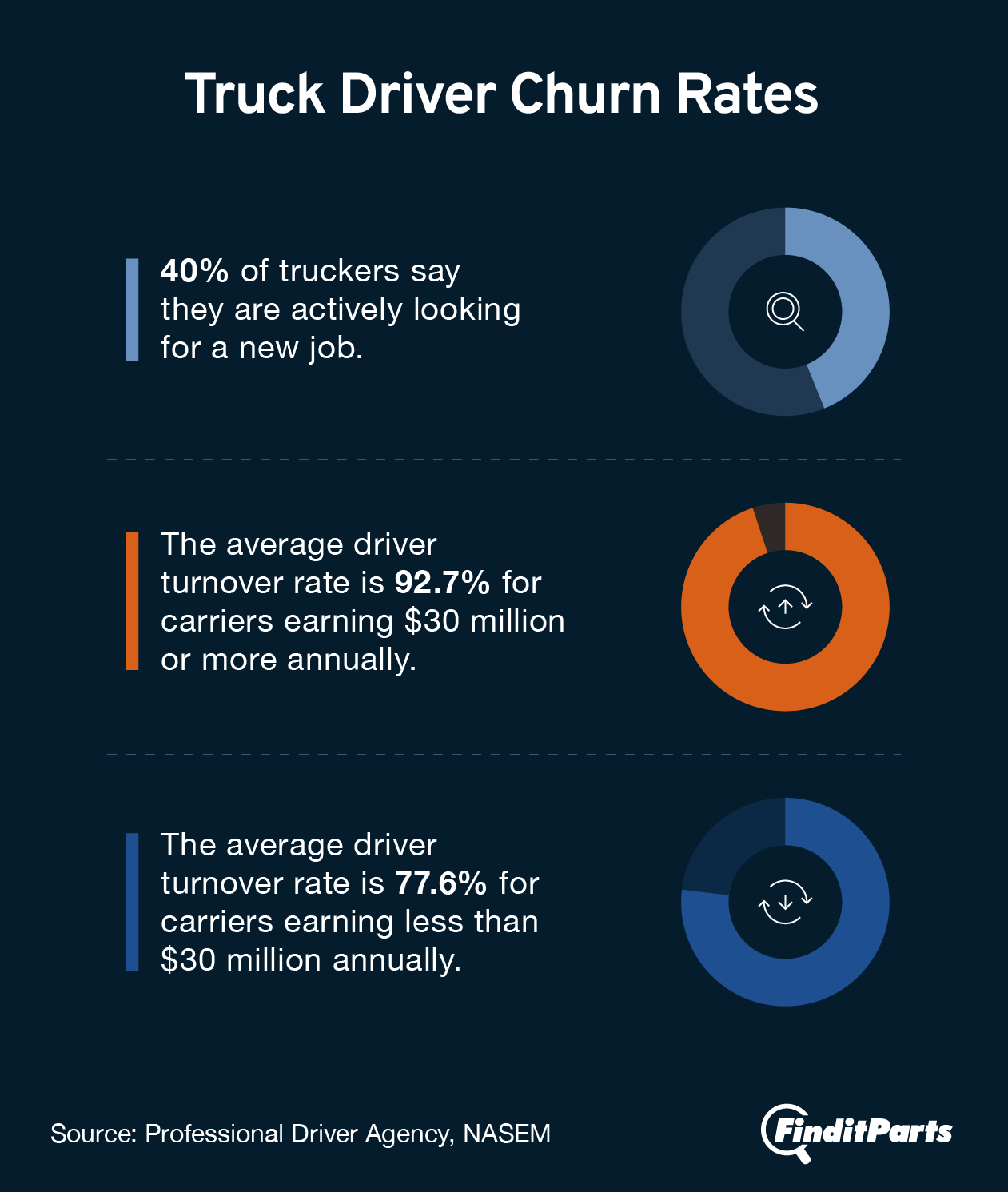
Retention Challenges: Long hours, time away from home, and lifestyle strains lead to high turnover.
-
Regulatory and Training Barriers: CDL licensing, safety mandates, and compliance requirements add time and expense to entering the field.
-
Work-Life Balance Pressures: Long hauls and scheduling demands contribute to job dissatisfaction and attrition.
-
Demographic Shifts: Fewer young adults are pursuing driving careers compared to previous generations.
Impact on Truckers and Businesses
The shortage has real effects across the supply chain:
-
Higher Transportation Costs: With fewer drivers, carriers pay more to secure capacity—costs passed downstream.
-
Freight Delays: Insufficient driver supply can mean shipment bottlenecks and longer lead times.
-
Recruitment and Retention Costs: Companies must invest more in signing bonuses, pay increases, and driver support.
-
Operational Disruption: Labor gaps force carriers to adjust routes, turn down business, or consolidate freight.
Unpacking the Driver Shortage Debate
While some argue the shortage represents “too few drivers,” others frame it as a retention and quality issue, where the challenge isn’t the total number of CDL holders but the distribution of qualified, willing drivers for commercial freight work. This perspective highlights the role of work conditions, pay expectations, regulation, and workforce demographics rather than a simple headcount deficit.
Conclusion
The truck driver shortage is less about a lack of licensed drivers and more about retention, working conditions, and an aging workforce, challenges that won’t be solved by recruitment alone. As fleets and owner operators adapt, reducing downtime and keeping trucks road ready remains critical. Reliable access to the right parts helps keep operations moving, and FinditParts supports that effort by making it easier to find OEM and aftermarket heavy-duty truck parts when and where they’re needed.
Connect With Us

Related Articles

How You Can Be Prepared For Brake Safety Week: A Simple Guide
April 01, 2026
Freightliner Cascadia Brake Pad Specifications & Fitment Guide: Complete Technical Reference
March 30, 2026
Freightliner Cascadia 2012-2019 Brake Maintenance Schedule & Inspection Guide: Keep Your Brakes Safe and Reliable
March 19, 2026