Need help? We're here!
(888) 312-8812 Login SignupQuick Guide to Freightliner Engine Belt Replacement and Maintenance
FE
FinditParts Editorial Team
October 15, 2025
Introduction
A worn-out engine belt in a Freightliner doesn’t ask for permission before it fails. One day everything sounds normal, the next your alternator isn't charging, your AC is blowing warm air, or worse, your power steering gives out. Tight delivery windows and heavy hauls don’t take kindly to unexpected downtime. Spotting and fixing belt issues early is the key to avoiding costly interruptions. Stay ahead of the problem and your truck keeps earning.
a
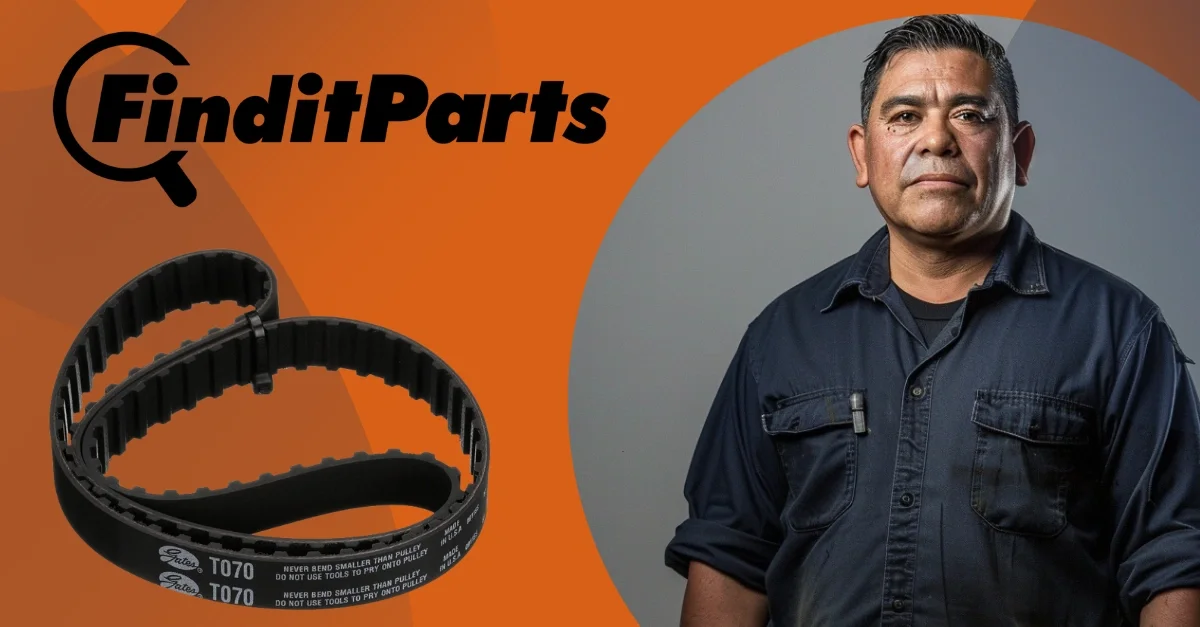
The engine belt might not look like a big deal compared to other Freightliner engine parts, but it keeps everything moving in sync. That strip of reinforced rubber loops around vital components like the alternator, power steering pump, and AC compressor. When it wears out or snaps, you feel it fast. Replacing it at the right time using the right parts helps prevent a bigger and more expensive breakdown.
Signs Your Engine Belt Needs Replacement
No engine belt lasts forever. Over time, even belts made with high-strength materials can stretch, crack, or glaze. If you wait for it to snap before doing something, you're already too late. Catch the warning signs early to avoid roadside repairs or getting towed into a shop that may not have what you need.
Here’s what to watch out for:
- Squealing noise on startup or under load: A high-pitched squeal when you turn the key or run accessories often means the belt is slipping. That can happen if there's too much wear or if the tension is off
- Visible cracks or frayed edges: Do a visual check. Shut the engine off, pop the hood, and look at the belt. Cracks running across the ribs or frayed threads along the edge are red flags
- Shiny or glossy appearance: A glazed belt surface shows it's been overheating from slipping. This reduces grip and affects performance
- Loss of power steering or AC: If steering gets stiff or climate control fails suddenly, it might be the belt. These systems depend on the belt to operate
- Check engine light or battery warning: A dead alternator from a snapped belt triggers warning lights on the dash. If you see those, inspect the belt right away
During regular checks, don’t just eyeball the belt. Apply light pressure to check for slack and spin the pulleys. Make sure nothing feels misaligned. It’s also smart to hold the new belt beside the old one during replacement to make sure the size and shape match.
Step-By-Step Guide to Replacing the Engine Belt
When it's time to swap out the old belt, having the right tools and a solid plan cuts downtime and keeps you on schedule. Most Freightliners use serpentine belts, which handle multiple systems in a single loop. Replacing one isn’t hard when you follow a clear process.
Here’s what you need:
- Ratchet set with metric sockets
- Belt tensioner tool or long-handled wrench
- Gloves and safety glasses
- Torque wrench if the job calls for reassembly
Follow these steps:
1. Park safely and pop the hood
Let the truck cool off. Make sure it's parked on flat ground with the engine off and the parking brake engaged
2. Locate the belt and routing diagram
Look for a routing sticker under the hood. It’s usually found near the radiator or fan shroud. If there isn’t one, take a quick photo of the current belt setup before removing anything
3. Release tension
Use the tensioner tool or ratchet on the spring-loaded pulley to release tension. Rotate slowly to take pressure off the belt, then slide it off one of the pulleys
4. Remove the old belt
Carefully pull the belt out. Look for missing chunks or uneven wear, which could mean pulley trouble
5. Install the new belt
Route the new belt based on your diagram or the photo you took. Make sure each rib is sitting properly in the pulley grooves
6. Check alignment and tension
Let the tensioner return to its standard position. Check that the belt sits correctly and has proper tension. Too loose or misaligned and you’ll have trouble down the line
Start the engine and watch the belt in motion. It should move smoothly and quietly. Listen for odd noises and confirm all belt-driven systems like AC, alternator, and power steering are functioning as expected.
Using belts that meet OEM specs helps avoid performance issues. Freightliner engine parts, like Dayco’s replacement belt, are designed to handle real road stress. Choosing the right fit the first time helps keep your rig working without delays.
Importance of Regular Maintenance
Replacing the engine belt is only half the battle. Skipping regular maintenance checks after that is a sure way to end up doing more repairs down the road. The belt keeps major systems like charging, power steering, and cooling in sync. A belt in bad shape throws everything out of balance, leading to chain-reaction failures that cost more than a simple part swap.
A smart move is to check the belt every time you change the oil. Even if the truck’s running fine, a quick visual and physical inspection can catch trouble early. Look for cracked ribs, dry spots, poor grip, and stretching. If you hear squeaks or chirps at idle, the tensioner or idler pulley could be the reason.
If you regularly deal with harsh conditions like extreme heat, city stop-and-go, or dusty construction areas, your belt deals with extra stress. Shorter inspection intervals make sense in those cases. And it's a good habit to change out the tensioner and idler pulley along with the belt. That keeps the entire accessory system running smooth under load.
Taking a few minutes for belt checks is a solid habit. It’s just like topping fluids or checking tires. Small investment, big benefit.
Investing in Trusted Freightliner Engine Parts
Low-budget belts might save a little upfront, but they bring more risk than value. Freightliner engines need belts that fit their load and performance standards. You want parts that meet the specs and can stand up to heat, vibration, and long-distance stress.
When shopping for Freightliner engine parts like belts and pulleys, make sure the parts match your truck’s exact engine class and year. Freightliner has various configurations, so it's worth double-checking the engine tag or markings on the old belt before ordering.
For example, many Freightliner M2 106 models with a Cummins ISB 6.7 engine work with an 8-groove Dayco serpentine belt. This belt meets OE tension standards and handles high heat during long trips. It’s a good pick for hot climates or long hours on the highway.
Match the right part with the right system, and you cut down the chance of failure while boosting performance. Whether you’re swapping just the belt or overhauling the entire accessory drive, trusted parts always pay off over time.
Keep Your Freightliner Rolling Strong
An engine belt might be small, but it's a big part of what keeps your rig moving. Replacing it at the right time and doing routine belt checks can mean the difference between a smooth haul and a roadside repair bill.
If you hear something off, feel a shift in power steering or AC, or notice wear during your next check, don’t brush it off. Change out the belt with one that fits right and matches OEM specs. Then double-check alignment, tension, and system function before putting the truck back in service.
Taking care of your belt is part of taking care of the whole truck. Freightliners are built to run hard, and they do that better when every part is doing its job right. Keep your inspections regular, swap in trusted components when needed, and stay ready for whatever miles lie ahead.
Stay ahead of unexpected breakdowns by choosing reliable replacement parts that match your Freightliner's needs. When it's time to replace worn components, explore our selection of trusted Freightliner engine parts from FinditParts Inc. These components help ensure your rig stays road-ready, delivering dependable performance mile after mile.
Connect With Us

Related Articles
How You Can Be Prepared For Brake Safety Week: A Simple Guide
April 01, 2026
Freightliner Cascadia Brake Pad Specifications & Fitment Guide: Complete Technical Reference
March 30, 2026
Freightliner Cascadia 2012-2019 Brake Maintenance Schedule & Inspection Guide: Keep Your Brakes Safe and Reliable
March 19, 2026