Need help? We're here!
(888) 312-8812 Login SignupHow to Keep Truck Body Panels Rust-Free This Fall
AD
Alexis Dorn
October 22, 2025
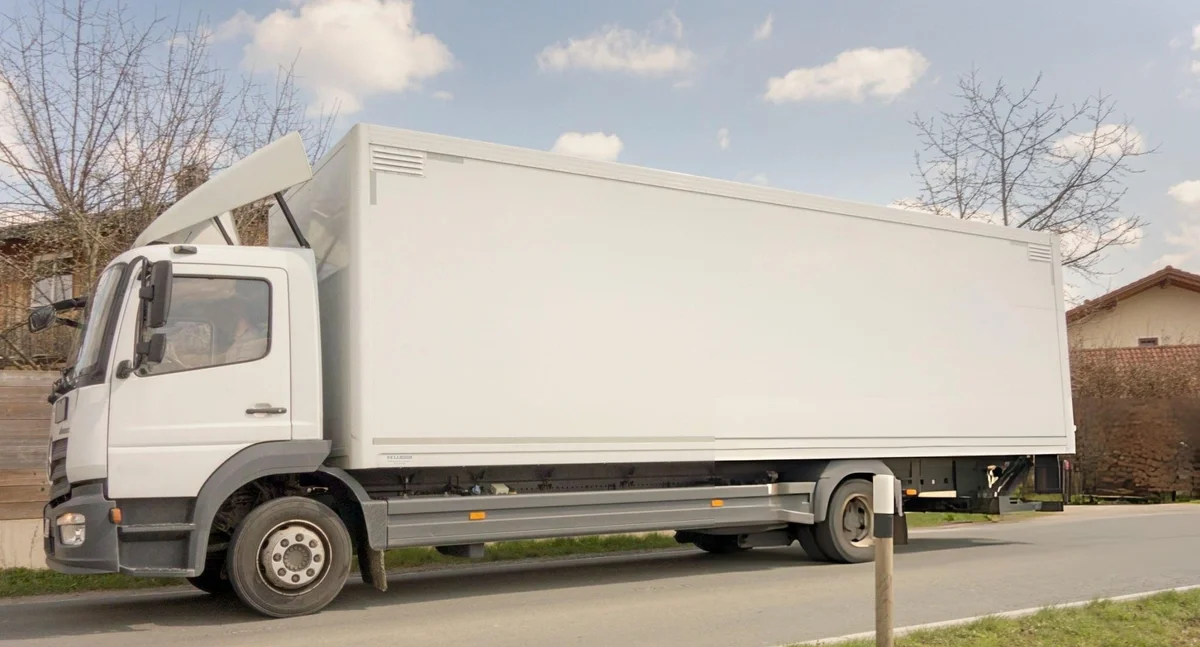
Fall can be a rough time for truck bodies. Cold mornings and wet roads mean your rig’s exterior is getting hit with more than just wind and weather. Mud, grime, salt, and moisture all team up to break through paint jobs and corrode the steel underneath. If you skip prep now, you’ll see the damage when winter’s over—and it won’t be cheap to clean up.
Whether you're managing a fleet or keeping one rig working through the season, protecting your truck body panels is a matter of paying attention and acting early. Spotting weak points before they show signs of damage, learning what causes rust in the first place, and knowing where to turn when replacements are needed will save you both time and frustration. Not all truck body panels suppliers carry what holds up through bad weather, so getting the right parts matters, too.
What Causes Rust on Truck Body Panels
Rust shows up fast if conditions are right—and fall sets the stage. Moisture is one piece of the puzzle, but it’s the mix with road salt and leftover grime that really eats away metal. Once paint is chipped and the protective layer is gone, oxygen and water start reacting with bare steel.
The damage starts small. A little bubbling in the paint around a wheel arch. A flake or scuff near the rocker panel. But left alone, these spots grow and spread. The worst part is, by the time it’s easy to see, you’ve usually got a bigger problem underneath that surface blistering.
Here are a few high-risk areas to watch:
- Rocker panels below the doors, especially where grime splashes and settles
- Inner wheel wells and lower fender areas that catch road spray
- Paint joints or seams under doors and fairings where water likes to collect
The more these areas stay wet, the faster rust builds. If you're in a wetter region in the fall or drive where salt stays on the road for days, that pace picks up even more.
Smart Inspection Practices Before the Cold Hits
Fall inspections are the sweet spot. The weather is cooler, roads are damp, but it’s not too cold to wash or check a body thoroughly. Once winter settles in, you’re dealing with freezing temps, tight schedules, and less time in the shop.
Start by walking the truck slowly. Look for paint bubbling, discoloration, flaking edges around mounts or trim, and mud buildup that didn’t rinse off in a wash. Grab a flashlight and check under wheel wells and behind fuel tanks for rust shadows or road film.
For busy fleets, it makes sense to schedule inspections by truck age or mileage. Older trucks with past body repairs should come first. For single-rig owner-operators, this might take less than an hour—worth it for the damage it can spot early.
Don’t just check what you can see. Rust starts in seams and behind step rails or mounting brackets. Run your hands along the lower panels if you can’t see clearly. If anything feels soft or gritty under the surface, it’s worth a closer look.
Prep and Protection Tactics That Actually Work
Once you know where the risks are, it’s all about getting ahead of problems. That means more than just a fresh wash—though washing is the first step.
Start clean. Remove old buildup from fenders, undercarriage areas, and tail sections. Use a mild soap made for paint, not harsh degreasers or solvent-heavy cleaners. These can strip finishes and clear coats if used too often.
After a wash, give the truck time to dry completely before applying anything. After that, there are a few strong moves that actually help:
- Spray-on rust inhibitors to protect exposed metal under the frame or behind panels
- Sealant touch-ups for small rock chips or scratched paint around door seams or mirror mounts
- Underbody protection sprays or coatings for areas exposed to splash and salt
Don’t forget storage during off-hours. Trucks parked under trees or in puddle-prone lots are going to rust faster. If a rig’s coming off duty for more than a few days, it’s worth parking it on dry ground and away from vegetation. Place truck covers loosely to allow air flow—locking in moisture makes rust worse, not better.
Choosing Quality Replacement Panels That Last
Sometimes a panel's gone too far to patch. If rust has eaten through or weakened the structure, replacing the body panel is a better move than trying to sand, weld, or patch it back together. That’s especially true for pieces like front fenders, lower doors, and sleeper fairings that take the most hits in daily driving.
When shopping for replacements, check both the material and coating of the panel you’re buying. Steel panels with rust-resistant finishes go farther in stretch season conditions, and aluminum versions may work for lighter setups. Just double-check that any coatings hold up to heavy salt exposure.
Good fitment matters, too. Panels that don’t snug against the cab or frame allow moisture and salt to sneak into gaps. Get replacements that match your make and model, not universal options that might leave seams open. Some truck body panels suppliers make it easier to cross-reference with an existing part number, which can save serious time during install.
If you're already swapping one side, look at the opposite side for signs of early damage. It’s often worth doing both at once if corrosion is creeping in.
Stay Ahead, Stay Rust-Free This Fall
Fall maintenance isn’t about shining your rig—it’s about planning for what lies ahead. Nobody wants to lose drive time over a corroded panel in January or deal with large-scale body repair when the schedule gets tight and temps drop low.
The best way to stay ahead is by thinking ahead. Whether that means spotting a bad rocker before it spreads into the cab, or choosing a panel that actually fits your build and holds up to road conditions, the time you spend now pays off. Prep well, buy smart, and hit the season without worrying every time it rains or freezes. The truck’s job is to work. Your job is making sure rust doesn’t slow it down.
Prepping your rig for the season ahead starts with swapping out panels that don’t hold up. We stock reliable options from trusted truck body panels suppliers built to take on rough roads and bad weather. At FinditParts Inc., we make it simple to get parts that fit right, last longer, and keep your truck rolling without rust slowing you down.
Connect With Us