Need help? We're here!
(888) 312-8812 Login SignupAnatomy and Parts of a Semi-Truck Explained
FE
FinditParts Editorial Team
September 16, 2024
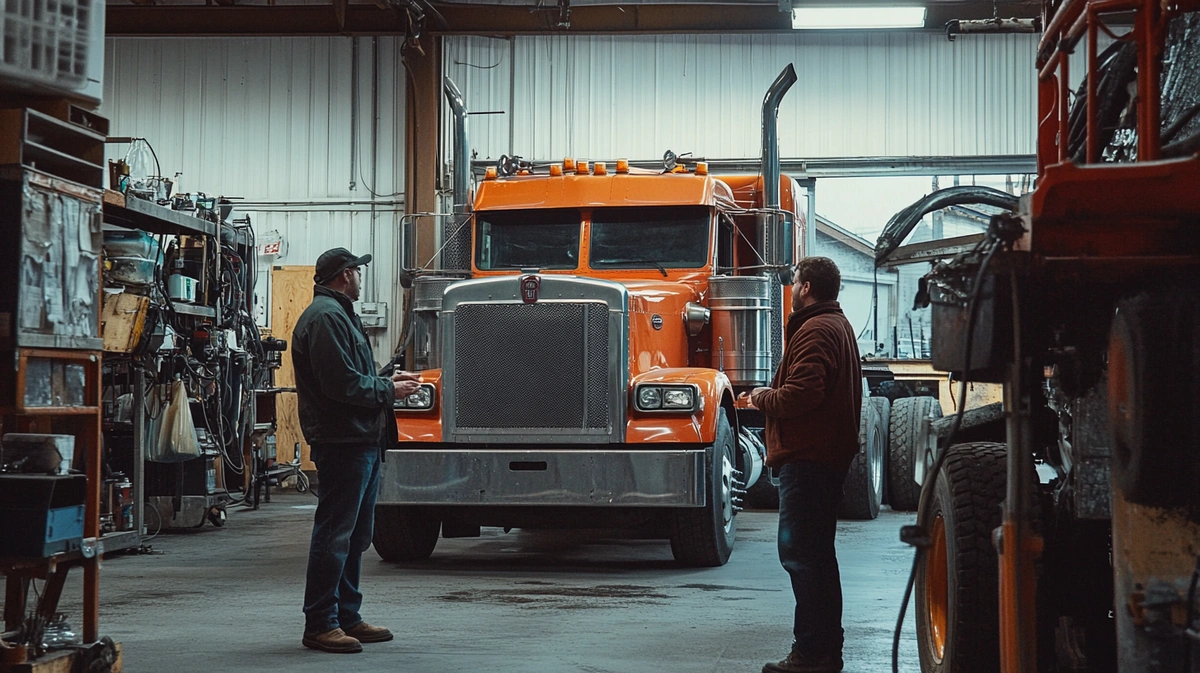
Front to Back: Breaking Down the Parts of a Semi-Truck
Semi-trucks, also known as 18-wheelers or big rigs, are complex machines composed of numerous parts that work together to transport goods efficiently. Understanding the anatomy of a semi-truck is essential for truck drivers, mechanics, and anyone involved in the trucking industry. This guide will take you through the key components from front to back, helping you become familiar with their names, functions, and how they relate to the overall semi-truck dimensions.
Front of a Semi Truck
-
Cab
-
Driver's Seat: Where the driver operates the truck.
-
Dashboard: Contains all the controls and displays. The functionality of the controls is often linked to the truck's semi-truck powertrain systems.
-
Sleeper Berth: A rest area for drivers on long-haul routes. The semi-truck HVAC system handles the climate control and comfort in this area.
-
-
Engine Compartment
-
Hood
Middle Section of a Semi Truck
-
-
The framework of the truck that supports the cab and trailer.
-
Fuel Tanks: Store diesel fuel for the engine.
-
Exhaust System: Channels exhaust gases away from the engine.
-
-
Axles and Suspension
-
Front Axle: Supports the weight of the cab and assists in steering the truck.
-
Rear Axles: Support the weight of the trailer and cargo.
-
Suspension System: Ensures a smooth ride and stability.
-
Back of a Semi Truck
-
-
A coupling device that connects the truck to the trailer.
-
-
Trailer
-
Landing Gear: Supports the trailer when it is not connected to the truck.
-
Trailer Axles: Support the trailer's weight and help in movement.
-
Trailer Brakes: Ensure the trailer comes to a safe stop. The integrity of these crucial components is often a topic of discussion when evaluating brake systems for commercial trucks.
-
Trailer Suspension: Maintains stability and absorbs shocks.
-
The Importance of Each Section
Each part of a semi truck plays a crucial role in its overall functionality and safety. The cab houses the driver and controls, the engine compartment provides the necessary power, and the chassis supports the structure. The axles and suspension ensure smooth and safe travel, while the trailer carries the cargo. Understanding these parts helps in maintenance, troubleshooting, and efficient operation. Understanding these parts is crucial for maintenance, troubleshooting, and efficient operation, ultimately contributing to the longevity of a semi-truck.
Common Truck Models and Their Unique Parts
Different semi-truck models have unique features and parts that distinguish them. Here are a few popular models:
-
Freightliner Cascadia
-
Known for its fuel efficiency and advanced aerodynamics.
-
-
Kenworth T680
-
Features a comfortable cab and reliable performance.
-
-
Volvo VNL
-
Offers advanced safety features and a quiet ride.
-
-
Peterbilt 579
-
Combines classic design with modern technology.
-
-
Mack Anthem
-
Built for durability and long-haul comfort.
-
Diagram: Explore the Parts of a Semi Truck
To gain a visual understanding, refer to diagrams that highlight the various components of a semi-truck. These diagrams are helpful for identifying components and understanding their placement and connections.
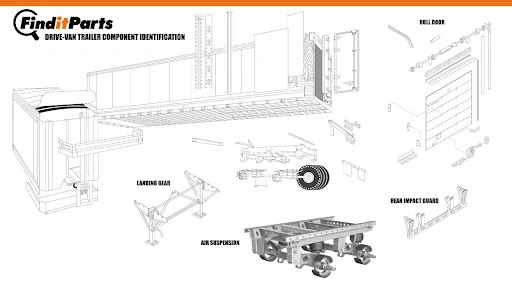
Knowing the anatomy and parts of a semi-truck is essential for anyone involved in the trucking industry. From the cab to the trailer, each part plays a vital role in the truck's operation and safety. By understanding these components, you can better maintain, operate, and troubleshoot your semi-truck, ensuring efficient and safe transportation of goods.
Explore the essential parts of a semi-truck from front to back on FinditParts.com. Whether you're a driver, fleet owner, or parts counter person, we support your needs with a vast selection of OEM and aftermarket parts. Enjoy free shipping on orders over $200. We're here to help you maintain and enhance your semi-truck performance every mile of the way. Visit us today and ensure your rig is always road-ready.
Connect With Us