Need help? We're here!
(888) 312-8812 Login Signup18 Wheeler Trailer Parts Most Likely to Break First
AD
Alexis Dorn
October 22, 2025
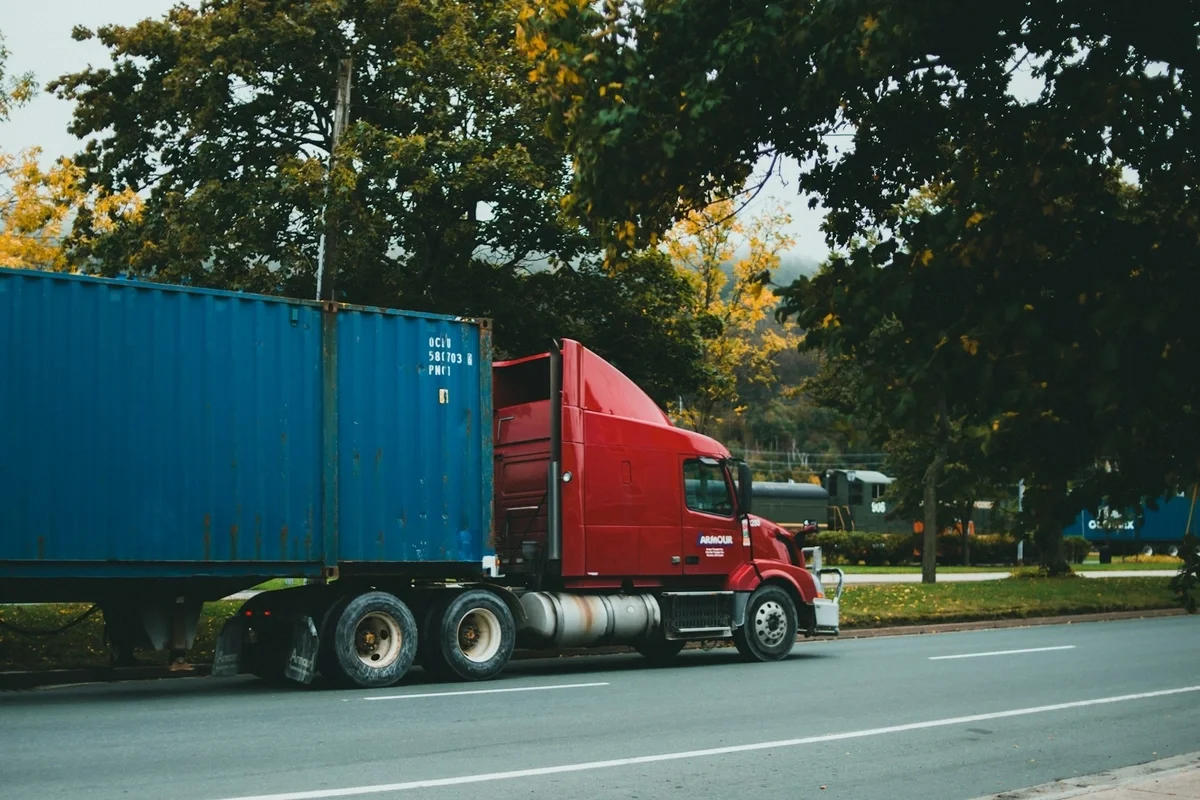
When things start breaking down on an 18 wheeler, it normally starts from the back. Trailer problems don’t just cost time. They put freight at risk and cause scheduling headaches, especially in colder months when parts already pushed past their limit begin to give out. Every mile adds wear, and as fall moves toward winter, the weak spots start showing themselves fast.
Not every failure is a surprise. Over the years, we’ve seen patterns. The same 18 wheeler trailer parts tend to go first. Recognizing these problem areas means fewer roadside holdups and more on-time runs. This post covers what to watch out for as the days get shorter and the roads get rougher.
Most Common Points of Failure on Older Trailers
Older trailers carry the weight of years, with daily stress chipping away at key components. Hinges, latches, and landing gear are bruisers—they see constant use and take abuse from both weather and drivers. Sooner or later, that daily grind wears something down.
Rot and rust are big problems. Even light damage on the side panels or trailer floor can spread quickly, especially when mixed with road spray and falling temps. Once water gets inside a cracked panel or floorboard, it compromises the structure. Nail holes become entry points. Salt and slush eat through weak spots, and before long, leaks or soft patches are too big to ignore.
Corrosion accelerates when temps bounce up and down in fall. Paint flakes off. Metal gets brittle. If you’re seeing signs of wear now—loose rivets, soft spots, surface rust—don’t wait for ice to make it worse.
Brake System Components That Don’t Last the Season
Cold mornings bring out a different kind of problem. Air brakes that were fine in August start leaking or losing pressure by late October. The smallest air line crack can cripple braking power, and temperature swings only make it worse.
Keep an eye on:
- Brake chambers with cracked housings or stuck pushrods
- Air fittings that seep slightly under pressure—those will go soon
- Slack adjusters and S-cams that are overly loose or constantly needing adjustment
A common failure tied to seasonal changes is the drying and cracking of components like the air brake dryer valve kit, especially after summer moisture gives way to cooler, dry conditions. If you’re moving heavier holiday freight and navigating icy roads, your brake system better be ready for it. Most of the damage is by buildup: long hauls, high temps, and then cold nights. Bushings dry out. Brake drums chip. Fall's the last best chance to spot it before it's too late.
Suspension Parts That Start to Fail Under Seasonal Stress
With changing temps and shifting loads, suspension takes a silent beating. We don’t always see the damage right away, but when steering starts to feel sloppy or trailer stability gets questionable, it’s often suspension-related.
Here’s where we see the most wear:
- Torque rods with cracked or worn bushings
- Leaky or embedded debris in air bags
- Height control valves stuck or slow to respond
Damaged components like a leaking air suspension air bag piston tend to slip under the radar until handling becomes noticeably worse. After a long summer on the road, bushings lose their bite. Trailer sway increases. It’s not just a comfort issue—bad suspension wears tires, overstresses connections, and increases the chance of load shifting. Fall is when those weaknesses turn into breakdowns.
Electrical and Lighting Issues That Show Up Fast
Once the weather turns, electrical problems appear more frequently. Wiring takes damage from heat and dirt all summer, and as moisture picks up in the fall, problems start coming to life.
The most common failures include:
- Brittle wiring insulation cracking near connectors or exposed wire bundles
- Light connectors corroding after exposure to water or road grime
- Burned-out marker lights or failed turn signals caused by vibration or road spray
Worn or malfunctioning exterior lighting components aren’t just inconvenient—they attract unwanted attention from DOT checks and compromise safety in poor visibility. Lighting isn’t a luxury. Missing or dim lights put you at risk. Moisture, dust, and vibration all team up to wear those systems down. Swapping out a few key lighting parts now saves time when visibility really matters later.
How Doors and Seals Break Down When Temperatures Drop
Rear doors often go overlooked until one freezes shut or won’t close properly during a delivery. Cooler months bring out long-standing problems from dried-out seals, rusted hinges, and stiff weatherstripping.
Door failures we see a lot:
- Compression seals that flatten or crack and let water leak in
- Hinges rusting from inside out, locking up without warning
- Weatherstripping that loses its grip, forcing doors out of alignment
When seals fail, you’re exposing cargo to debris, moisture, and early frost. Add in hard-to-close doors during a tight delivery schedule, and you’re setting up for delays and callbacks.
Better Parts, Fewer Delays
It doesn’t take a total breakdown to cost you hours. It just takes a part that should’ve been replaced weeks ago. The fall season is a pressure point where old summer wear meets incoming winter stress. That’s where weak 18 wheeler trailer parts fail the fastest.
Doing a simple walk-around and checking known problem areas gives you a chance to fix small issues before they snowball. Make it a habit to check doors, brakes, suspension, lights, and side panels for early signs of wear. Look for cracks, leaks, or loose fittings, and take the extra step to inspect the parts that break more often.
Staying ahead of wear and tear helps keep everything rolling without interruptions. That’s the real goal: avoid fussing with emergencies by spotting what’s coming well before the highway does it for you.
Spot a cracked socket or hear a faint sizzle near your wiring? Having the right replacements on hand can keep you from sitting out a run. We stock a wide range of 18 wheeler trailer parts ready to ship, so downtime doesn’t drag out and freight keeps moving. At FinditParts Inc., we make it easier to stay ahead of what the road kicks up next.
Connect With Us