Need help? We're here!
(888) 312-8812 Login SignupHow to Back Up Your Truck Like a Pro
AY
Alvin Ybañez
June 03, 2021
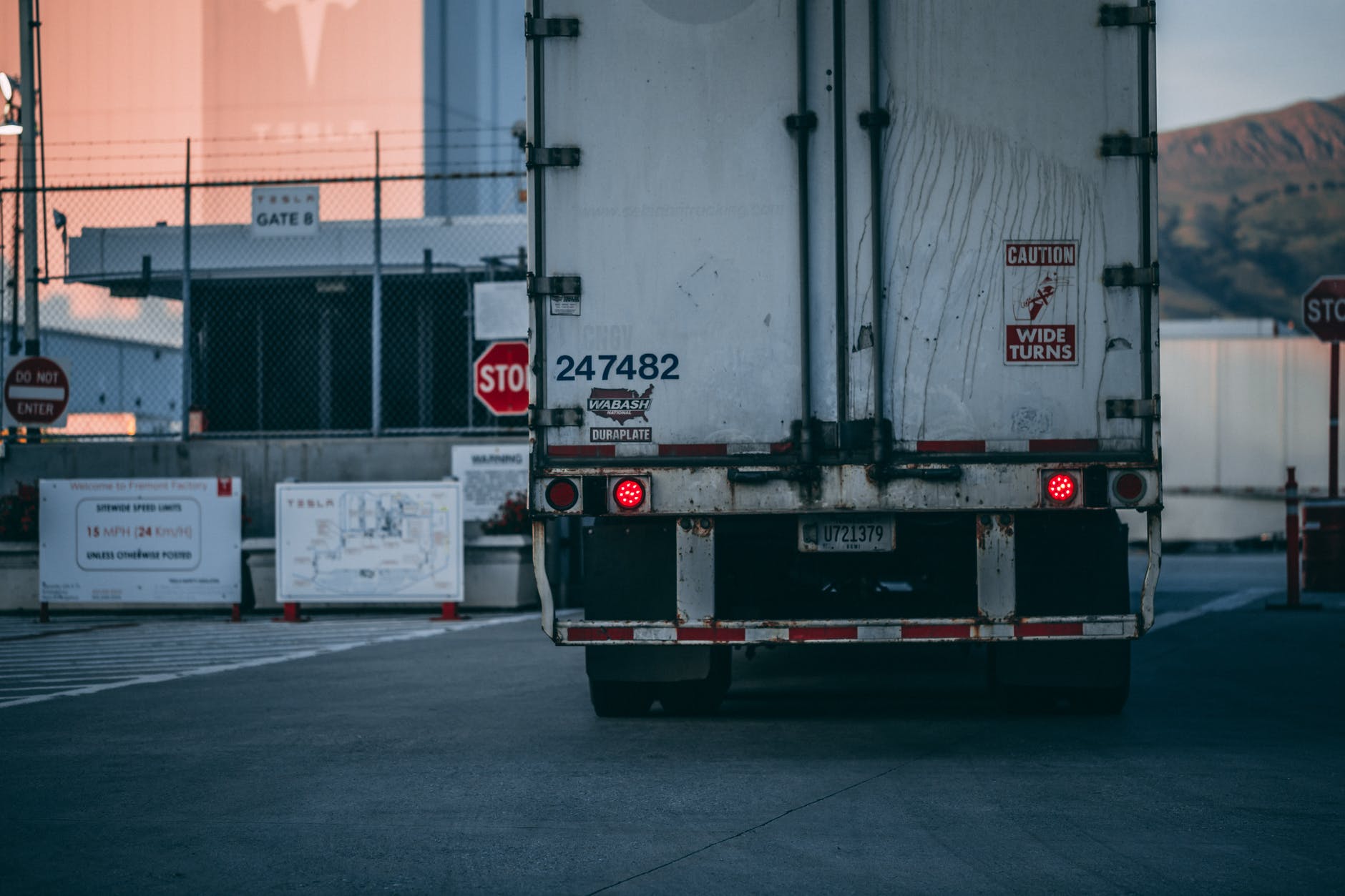
Image Source: Pexels
Parking in reverse is an essential skill for any driver, but even more so when you're driving a truck. In fact, it's one of the most difficult skills to master, given the truck's large size and unique driving characteristics. So it's no surprise that insurance companies report that nearly one out of four vehicle accidents involves parking in reverse. Some firms even recommend avoiding parking in reverse altogether when possible to minimize the risk of accidents and injury.
Backing up a tractor and trailer is one of the most challenging maneuvers for any truck driver, and mastering it takes considerable time and patience. In this guide, we'll show a basic guide plus some helpful tips to help drivers learn how to back up like a professional:
- Identify which maneuver you'll be using to back up to your parking spot.
There are four types of backing maneuvers used for backing up tractor-trailer:
- Straight back. Usually located in a grid, this maneuver results in the truck forming a perpendicular L-shaped angle that vehicles pass through to go further into or exit from the parking area.
- Offset back. This is usually done in an offset grid and meets the traffic passage vehicles use to enter the exit the parking area at a diagonal angle.
- Alley dock. Specifically meant for alley dock spaces for semis, this maneuver involves moving straight back through a narrow passage then turning sharply to meet the loading dock.
- Parallel parking. Trucks can be parallel-parked on the side of the road just like any other vehicle. But because of its size, backing up in such a small space can be a challenge, especially for new drivers, and should be avoided if possible.
Take a couple of minutes to walk around your vehicle and check the area where you'll be parking. This helps you determine how to position your trailer so that it takes the least effort in maneuvering. Proper parking for large vehicles requires this type of situational awareness to complete the backing maneuver safely.
- Pull ahead of your chosen spot.
Pull several feet ahead of your chosen parking spot, making sure your turn doesn't cut too sharply or swing wide and hit vehicles, pillars, or other objects. As a rule of thumb, the more space there is between your truck and another parked car, the easier it will be for you to straighten your rear end before it approaches other vehicles. This extra room may spell the difference between scraping up against the side of another car or parking without incident.
Also, make sure that you have a clear line of sight between you in the mirrors while pulling up. In most cases, you'll need to roll down your windows on both the driver and passenger sides to ensure that you have a good sense of the dimensions of the area you'll be parking in. Compare your walk-around of the parking area with your mirror view and note any inconsistencies or obstacles you may have missed. Because mirrors can distort distances or miss thin metal signs and glass panes, maintaining high standards for truck stop safety and etiquette is essential to avoid preventable accidents in crowded lots.
- Swing out wide.
Cut the wheel in the direction of the parking spot so that the front end of the cab swings out in an outward arc. This will allow the truck's rear end to cut in the direction of the space you are trying to park in. Once the rear end is angled diagonally into the spot, turn the wheel a quarter turn in the direction away from the spot until the cab straightens out. Make only slight, gradual adjustments while turning, as these practices to prevent truck accidents help avoid the oversteering or under-steering that leads to lot damage. If the angle of approach is too far, pull out and start again.
- Straighten the cab out.
Once your truck's rear end is aligned with your parking spot, allow it to travel a few more feet before turning the wheel in the direction you've made your first hard cut. This should start straightening your cab without changing the angle of the rear end. Make slight steering corrections at this point, as you'll likely end up oversteering and significantly changing the angle of your rear end. Also, make sure to maintain a close eye on the front end while maneuvering. It's fairly easy to swing out and collide into something while swinging out wide with your cab.
Once you're comfortable with the position of your vehicle, place your truck in neutral and engage the parking brake. But don't be afraid to pull out of your spot and make corrections either. Even experienced truck drivers end up making several tries before their rig is in the right spot.
Additional Tips:
- Unless you know for certain that it will help, refrain from pulling forward to the right. Doing so will put you in a position where you're more exposed to blind spots and make it more difficult to maneuver.
- If you want to use a spotter, make sure he or she is also an experienced truck driver. An inexperienced or non-driver will tend to watch only one portion of the vehicle backing in or, in worst cases, become a distraction. A veteran driver, on the other hand, will keep an eye out for both the truck and trailer and quickly alert you of a dock, light post, or other approaching objects before it's too late.
- Use flashers every time you're backing up. Better yet, place some reflective traffic cones or hazard triangles around the immediate vicinity while you're attempting to reverse. Making it a habit to keep your vehicle noticeable while parking ensures everyone around you is aware of what you're doing and acts accordingly.
Routine inspections and timely maintenance are essential for smooth parking. Regularly checking your brakes, tires, and steering can prevent last-minute surprises, and performing basic upkeep on trucks ensures maneuvers stay safe and efficient.
Before leaving the parking space, do another walk-around to ensure no new hazards have appeared, such as potholes, carts, or animals. Preventing future problems can also be easier when you take steps to limit repair costs, keeping your truck in better shape for all types of driving situations.
Connect With Us