Need help? We're here!
(888) 312-8812 Login SignupA-1 CARDONE 54-71201 Power Brake Booster
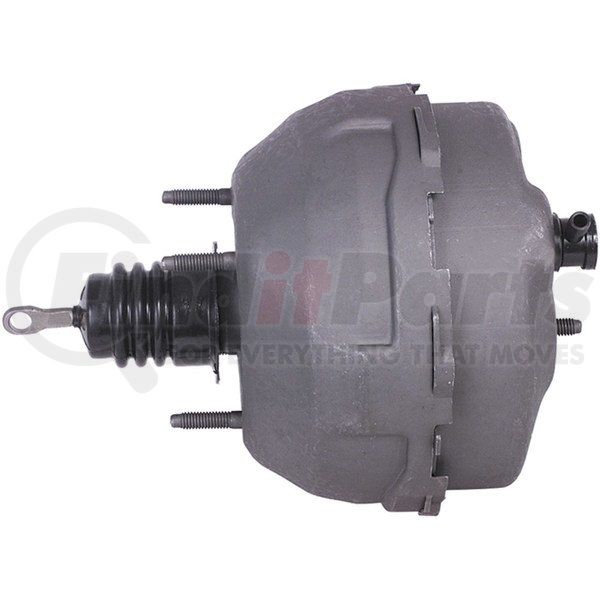
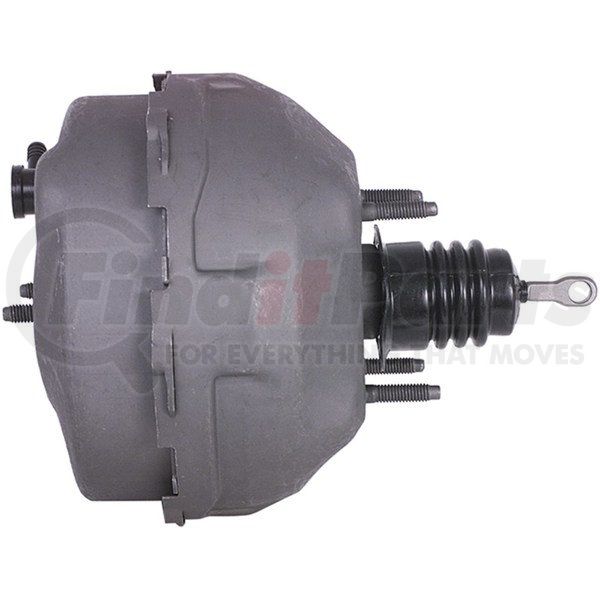
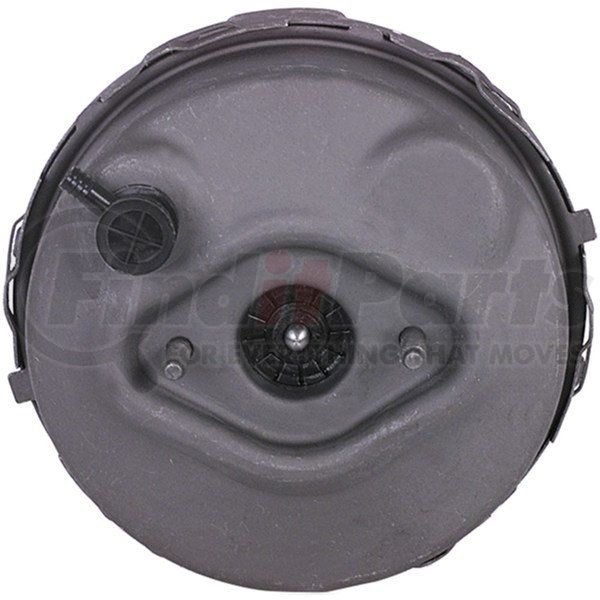
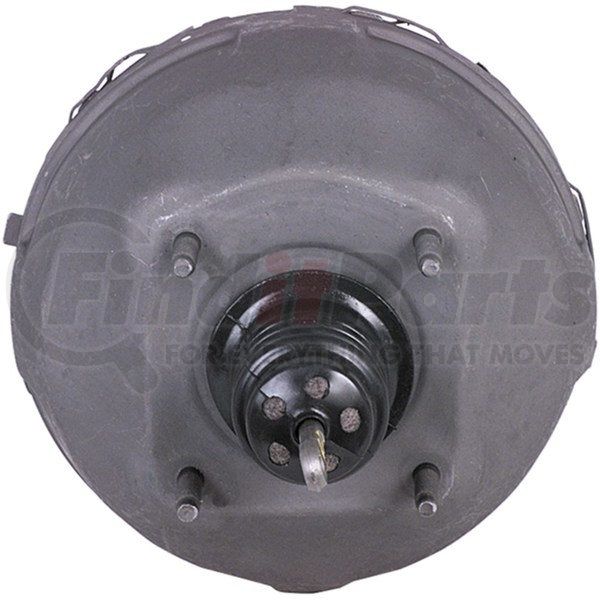


Tap to view 3 more
No Stock Available
We cannot fulfill orders for this part at this time. Please check back later or request a stock notification to receive an email.
We may have similar parts for sale. Search Alternatives >
A-1 CARDONE 54-71201 Part Description
Manufacturer
Product Description
Power Brake Booster
Application Summary
Buick Century 1978, Electra 1977, LeSabre 1977, Regal 1978, Riviera 1977; Cadillac DeVille 1977, Fleetwood 1977; Chevrolet Caprice 1977, El Camino 1978, Impala 1977, Malibu 1978, Monte Carlo 1978; GMC Caballero 1978; Oldsmobile 98 1977, Cutlass 1978, Cutlass Calais 1978, Cutlass Salon 1978, Cutlass Supreme 1978, Delta 88 1977; Pontiac Bonneville 1977, Catalina 1977, Grand Am 1978, Grand LeMans 1978, Grand Prix 1978, Laurentian 1977, LeMans 1978, Parisienne 1977
Features & Benefits
- 100% O.E. quality seals, diaphragms and check valves are installed on every unit for like-new performance and reliability.
- Exclusive rust-prohibitive finishing process extends unit life.
- Master cylinder output rods are pre-adjusted (when included) for easier and faster installation.
- New mounting nuts and washers ensure proper, hassle-free installation.
- All units are 100% tested to ensure reliable performance.
- Guaranteed fit and function.
- Meets or exceeds O.E. performance.
Power Brake Booster, Booster, Vacuum Booster
- 100% O.E. quality seals, diaphragms and check valves are installed on every unit for like-new performance and reliability.
- All units are 100% vacuum tested to ensure reliable performance.
- Exclusive rust-prohibitive finishing process extends unit life.
- Master cylinder output rods are pre-adjusted (when included) for easier and faster installation.
- New mounting nuts and washers ensure proper, hassle-free installation.
A-1 CARDONE 54-71201 Specifications
Product Attributes
| Color | Gray |
| Package Contents | Booster; Instruction Sheet |
| Product Condition | Remanufactured |
| Material | Steel |
| Master Cylinder Included | No |
| Brake Booster Diaphragm Style | Dual |
| Master Cylinder Stud Thread Size | 3/8x16 |
| E-waste | No |
| Diaphragm Diameter (in) | 8.77 |
| Diaphragm Diameter (mm) | 222.78 |
| Features and Benefits | Remanufactured to match O.E. performance. |
| Booster Type | Vacuum |
| Brake Pedal Rod Extension Included | No |
| Brake Service Grade | Regular |
| Diaphragm Diameter | 222.78 MM |
| Diaphragm Diameter | 8.771 IN |
| Diaphragm Type | Dual |
| Gasket Or Seal Included | No |
| Housing Diameter | 228.85 MM |
| Housing Diameter | 9.01 IN |
| Housing Material | Steel |
| Master Cylinder Included | No |
| Master Cylinder Stud Thread Size | 3/8x16 |
| Mounting Bracket Included | No |
| Mounting Hardware Included | No |
| Neck Seal Included | Yes |
| Stud Thread Size | 3/8x16 |
| FAQ_Q1 | What does a Brake booster do? |
| FAA_A1 | A brake booster assists in pushing the master cylinder piston when the brakes are applied. This multiplies pedal force to decrease stopping distances. |
| FAQ_Q2 | How much vacuum does a brake booster need? |
| FAA_A2 | For proper functionality, a brake booster will need a consistent supply of 18-21 inches of vacuum. |
| FAQ_Q3 | How can I test my brake booster for proper functionality? |
| FAA_A3 | With the engine off, pump the brake pedal until it feels firm and hold. Then, start the engine and the pedal will sink slightly if the booster is operating properly. |
| FAQ_Q4 | What causes multiple booster failure? |
| FAA_A4 | Fuel and oil vapors can enter the vehicle’s PCV system. These vapors will prematurely deteriorate the brake booster’s internal diaphragm. |
| FAQ_Q5 | Why do my brake lights remain illuminated after installing my replacement brake booster? |
| FAA_A5 | After replacing a brake booster, it may be necessary to adjust the brake light switch. Some vehicles contain a one-time use brake light switch. In these cases, the brake light switch will need to be replaced. |
| FAQ_Q6 | Can I use a brake booster from a different application? |
| FAA_A6 | No, brake boosters are application specific. Most will have different master cylinder and firewall mounting spreads. |
| FAQ_Q7 | What is brake pedal free play? |
| FAA_A7 | Brake pedal free play is a measurement of how far the brake pedal moves before the master cylinder first begins engagement. Some vehicles will require an adjustment. Please refer to your vehicle’s service manual. |
| FAQ_Q8 | Why is fluid present between my master cylinder and brake booster? |
| FAA_A8 | This is due to a failing master cylinder piston seal. This will result in brake fluid entering and contaminating the brake booster. The master cylinder and brake booster will need to be replaced. |
| FAQ_Q9 | Why do I have less than 18 inches of vacuum supplied to my brake booster? |
| FAA_A9 | A common cause is a restricted vacuum hose. If the vacuum line is free flowing, there could be more extensive engine damage or wear. Engine vacuum also fluctuates based on altitude. Please refer to the O.E. specification for your vehicle. |
| FAQ_Q10 | How can I identify my brake booster? |
| FAA_A10 | The most common way to identify the brake booster is by the vehicle application. However, most brake boosters have a pedal rod identification number stamped on the end of the rod. This can helpful in identifying the correct replacement brake booster. |
| Contains Electronic Components | No |
| Does it require SDS | No |
| Is Item A Chemical | No |
| Is Or Contains A Battery | No |
| Is Or Contains A Bulb | No |
| Is Prop Sixty Five Affected | No |
| Is the item CARB affected | No |
Additional Information
| Remanufactured Part | Y |
| Warranty Distance | 18000 |
| Warranty Distance UOM | DH |
| Warranty Special UOM | TX |
| Warranty Time | 12 |
| Warranty Time UOM | MO |
| Country of Origin (Primary) | MX |
| Harmonized Tariff Code (HTS) | 8413500080 |
| Harmonized Tariff Code (Schedule B) | 8413500080 |
| Canadian Harmonizing Tariff Code | 8413500090 |
| UPC | 00082617066990 |
A-1 CARDONE 54-71201 Part Interchanges
| Brand | Part Number |
|---|---|
| Chevrolet | 18005075, 18005075 |
| Buick | 18005075, 18005075 |
| Cadillac | 18005075, 18005075 |
| Oldsmobile | 18003814, 18003814 |
| Pontiac | 18003814, 18005075, 18003814 , 18005075 |
A-1 CARDONE 54-71201 Fits Vehicles
- Pontiac Parisienne (1977)
- Pontiac Laurentian (1977)
- Pontiac LeMans (1978)
- Pontiac Grand Prix (1978)
- Pontiac Grand LeMans (1978)
- Pontiac Grand Am (1978)
- Oldsmobile Delta 88 (1977)
- Pontiac Bonneville (1977)
- Pontiac Catalina (1977)
- Oldsmobile Cutlass Salon (1978)
- Oldsmobile 98 (1977)
- Oldsmobile Cutlass Calais (1978)
- Oldsmobile Cutlass Supreme (1978)
- Oldsmobile Cutlass (1978)
- GMC Caballero (1978)
- Chevrolet Malibu (1978)
- Chevrolet Monte Carlo (1978)
- Chevrolet Impala (1977)
- Chevrolet El Camino (1978)
- Chevrolet Caprice (1977)
- Cadillac DeVille (1977)
- Cadillac Fleetwood (1977)
- Buick Riviera (1977)
- Buick Regal (1978)
- Buick LeSabre (1977)
- Buick Electra (1977)
- Buick Century (1978)
A-1 CARDONE 54-71201 Manufacturer Information
A-1 Cardone Ind.® is a leading manufacturer and distributor of automotive parts and accessories, including master cylinders, clutches, calipers, and other braking system components. Its comprehensive range of products is made using the highest quality materials and the most advanced technology to ensure reliable performance, safety, and reliability. The company traces back its roots more than 35 years ago when Michael Cardone, Sr. remanufactures his first product: the windshield wiper motor. From then on, the name A-1 Cardone has been a go-to brand of automotive enthusiasts and fleet owners when it comes to new and remanufactured products that offer not just reliability but also long-lasting service.
 California residents see


